
A kerosene shortage is looming. Electric flight is a solution.
Geopolitical tensions threaten the continuity of our air traffic. It’s time for electric flight.
Published on April 22, 2026

Team IO+ selects and features the most important news stories on innovation and technology, carefully curated by our editors.
Geopolitical tensions and a faltering supply of fossil fuels threaten the continuity of our air traffic. While the European Union is drawing up contingency plans for an impending kerosene shortage, there is a growing realization that the sector must transform more quickly. The transition to electric flight is no longer a distant dream for idealists. It has become an urgent necessity to safeguard European mobility and economic autonomy.
The Strait of Hormuz
A potential closure of the Strait of Hormuz currently poses a direct threat to fuel supplies. Approximately twenty percent of the world’s oil passes through this strategic strait every day. If this route remains blocked for an extended period, structural kerosene shortages will arise in Europe within three weeks. The Netherlands currently still has a strategic reserve sufficient for about five months. However, this buffer offers only temporary protection against a large-scale energy crisis. The European Commission is therefore already drafting guidelines to prepare member states for acute shortages.
Innovative companies are working on electric aircraft
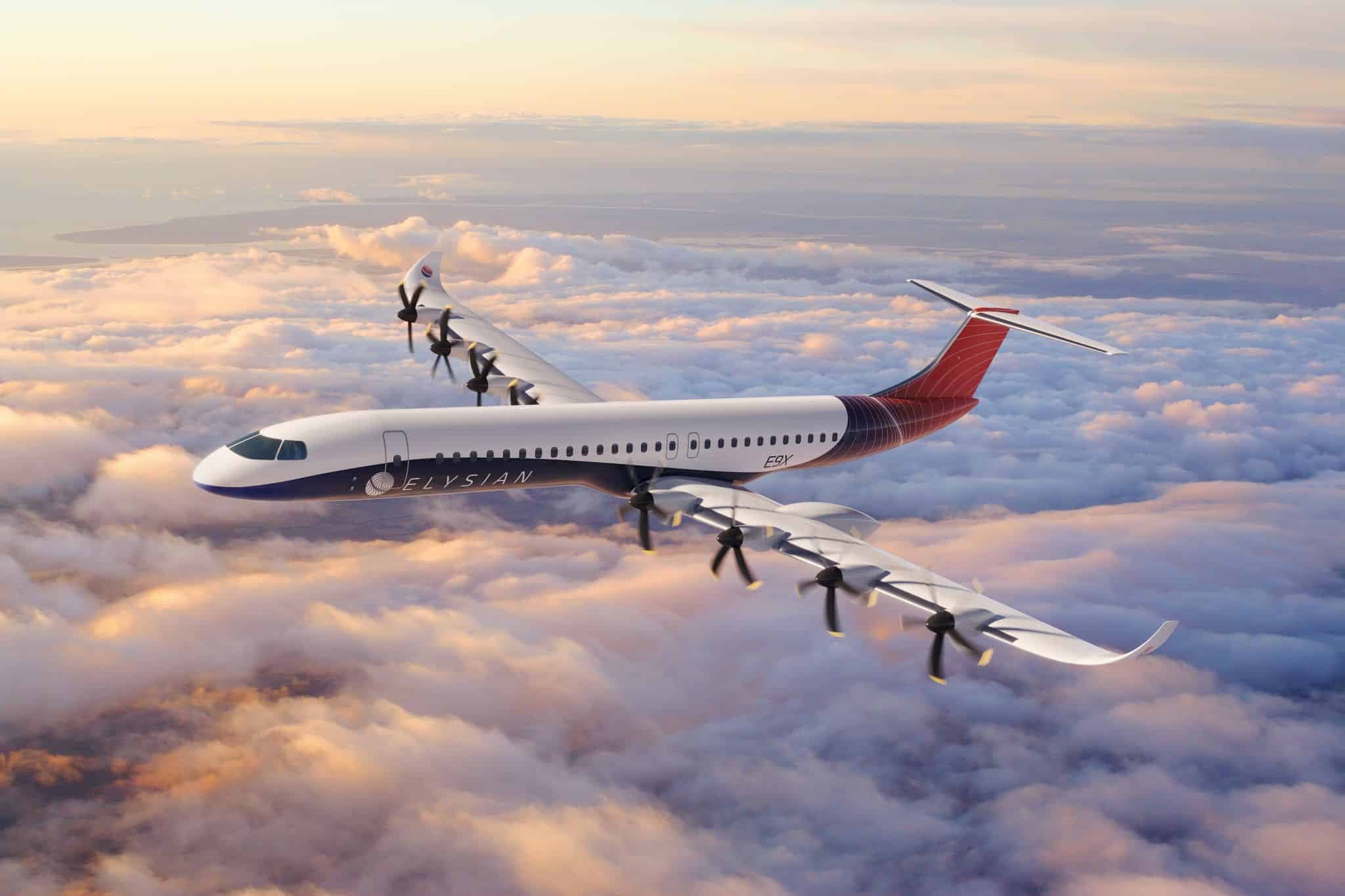
Meanwhile, in the Netherlands, innovative companies are working with great urgency on kerosene-free technological solutions. Maeve Aerospace plays a crucial role in this with the development of the M01. This aircraft is fully electric and is specifically aimed at the regional flight segment. The initiative proves that Dutch engineers are capable of building emission-free solutions for commercial aviation. In addition to Maeve, other national players such as Electron Aerospace and Elysian are active in this market. They focus on various aspects of electric flight, ranging from urban mobility to larger passenger aircraft.
The shift toward electric aviation is a widely supported European initiative with several strong players. The Swedish company Heart Aerospace is a prominent name that commands significant international respect. They are currently working on the ES-30, an electric regional aircraft for short-haul flights. The European Union actively supports such projects through various innovation programs and targeted subsidies. The goal of this policy is to accelerate the market readiness of hybrid-electric and fully electric systems.
Barriers to a rapid transition
Despite impressive technological advances, significant barriers remain to the large-scale rollout of electric aviation. The energy density of current batteries is not yet sufficient for long-haul flights. This currently limits the use of electric aircraft to regional networks and shorter routes.
When it comes to energy density, hopes are pinned primarily on new battery chemistries, such as solid-state batteries and advanced lithium-metal variants. These technologies promise higher energy density and faster charging times, which is essential for aviation applications. Companies like QuantumScape are working on prototypes that are not only lighter but also safer. As a result, they may be better able to withstand the extreme demands of flight conditions.
In addition, the necessary ground infrastructure poses a massive logistical challenge for the sector. Airports must install powerful charging stations to supply multiple electric aircraft with power simultaneously.
There is hope in this area as well. The British startup Aerovolt is building charging networks and stations specifically for electric aircraft at airports and smaller airfields. They are developing systems that can scale up to the heavier “megawatt”-class applications required for electric aviation. Their infrastructure is designed to quickly recharge aircraft between flights, similar to how refueling currently works for kerosene-powered aircraft.
Another critical bottleneck is the strict and time-consuming certification processes of aviation authorities. It often takes many years before a new aircraft design passes all safety tests and is allowed to fly commercially. To accelerate the transition, modernizing these regulations is necessary without compromising safety.
The European Union Aviation Safety Agency (EASA) introduced new regulations and “Means of Compliance” in 2025 specifically for electric and hybrid propulsion. Instead of a single, lengthy, traditional certification process, a more modular approach is increasingly being adopted: components such as battery systems, electric motors, and software can thus be validated separately and approved more quickly.
A catalyst
In short: many pieces of the puzzle must come together to innovate electric aviation. The current threat of a kerosene shortage acts as a catalyst for change. We can no longer afford to view electric flight as a distant vision of the future.