
ASML caught between US and China over MATCH Act
A bipartisan US bill would bar ASML from selling or servicing chip machines in China, putting up to $9 billion in sales at risk
Published on October 12, 2026

Team IO+ selects and features the most important news stories on innovation and technology, carefully curated by our editors.
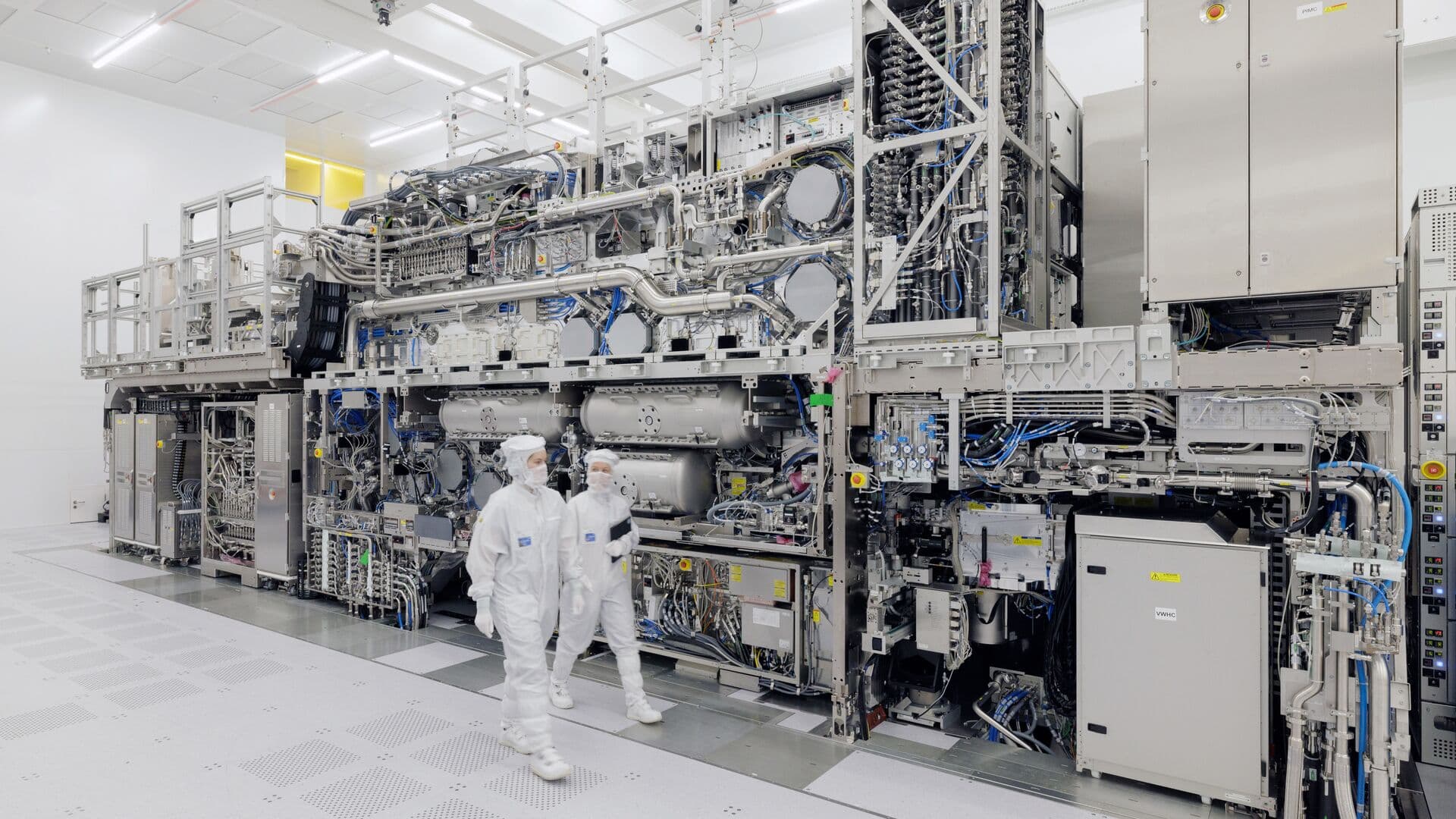
ASML is at risk of being squeezed between the United States and China, according to Het Financieele Dagblad (FD). A proposed US law, the MATCH Act, would effectively shut the Veldhoven-based company out of the Chinese market.
The Multilateral Alignment of Technology Controls on Hardware (MATCH) Act was introduced in both houses of Congress on April 2. Its sponsors come from both parties, among them Republicans John Moolenaar and Pete Ricketts and Democrats Andy Kim and Chuck Schumer. The bill would give the Netherlands, Japan and other countries that supply chipmaking tools 150 days to match US export restrictions on Chinese chipmakers.
If they fail to do so, the US Bureau of Industry and Security could extend American jurisdiction to foreign machines that contain US technology. The bill also tightens rules on the most advanced deep ultraviolet (DUV) lithography systems and would end servicing of machines already installed in China.
For ASML, that would mean no new deliveries to China, and no maintenance, software updates or spare parts for its existing machines there. The Dutch government wants the bill off the table, the FD reports.
Why DUV matters
Washington’s concern goes back to 2019. That year, under heavy US pressure, The Hague blocked ASML’s first sale of an extreme ultraviolet (EUV) machine to China at the last minute. Chinese manufacturers then switched to deep ultraviolet (DUV) machines, which were not yet banned. They bought more than $13 billion worth between 2024 and early 2026. More than 300 of these machines are now thought to be running in Chinese fabs.
By exposing wafers several times over, Chinese engineers have made advanced chips on this older equipment. The process is costlier and yields less, but it lets Huawei produce its Ascend AI chips, which are central to China’s progress in artificial intelligence. FDD Action, a Washington advocacy group that has endorsed the bill, calls DUV lithography “the single most controllable choke point in China’s AI supply chain.”
Moolenaar, who chairs the House China committee, told the FD that the Netherlands and the US share a security interest. “Beijing will inevitably use these machines to build its own industry and ultimately push ASML and others out of the market,” he said.
Billions at stake
Critics warn that the bill could backfire. Freezing maintenance might not stop China’s progress at all, because Chinese chipmakers could take apart, modify and copy the scanners they already have. The cost to ASML could also be far higher than the $1 billion to $1.5 billion in service revenue usually cited, with up to $9 billion in total Chinese sales at risk.
Beijing is also expected to retaliate, for example by further limiting exports of critical raw materials to the US and Europe. This year China adopted decrees that threaten heavy penalties for foreign companies that break contracts to comply with foreign sanctions. If that happens, obeying US law would mean breaking Chinese rules, and the reverse.
The affair is also reviving criticism of the Dutch government, which some say has let Washington push it around for years even though ASML is Europe’s strongest geopolitical lever. Critics point out that American companies keep getting exemptions despite Washington’s national-security arguments. Nvidia, for instance, was allowed to keep selling advanced chips to China in exchange for handing a quarter of the proceeds to the US government.
Some analysts see a deeper European problem behind it all. ASML is Europe’s largest technology company but sells almost nothing in Europe itself. Until Europe builds its own market for advanced chips, they argue, the company will stay exposed to pressure from both superpowers. ASML reports its third-quarter results on Wednesday.