
Can too much exercise harm your heart? A mini heart may tell
Dutch researchers built a mini heart that can run a marathon in the lab, to find out when intense exercise starts to harm the heart.
Published on September 29, 2026
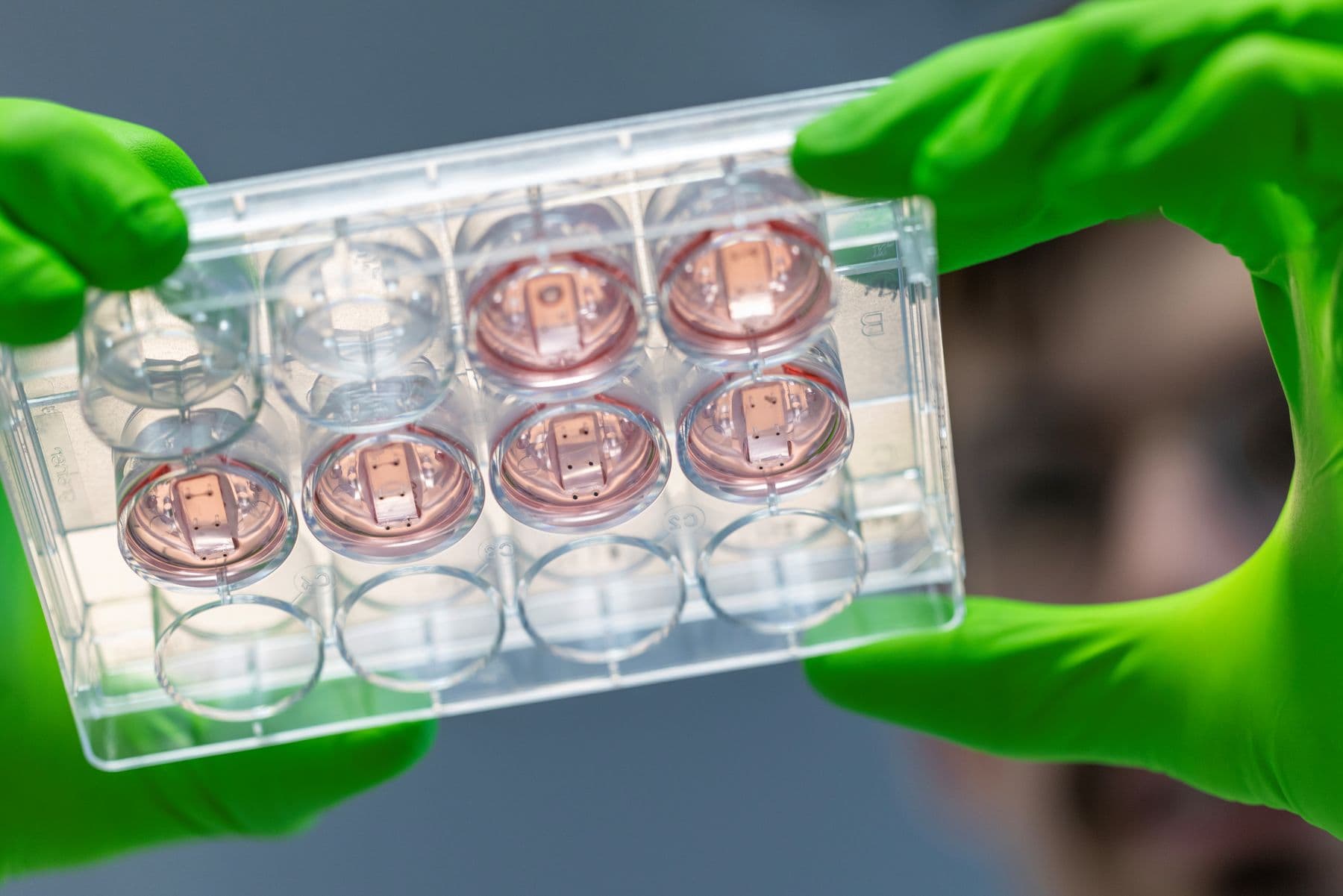
© Rikkert Harink fotografie

Team IO+ selects and features the most important news stories on innovation and technology, carefully curated by our editors.
Dutch researchers have developed a miniature model of the human heart that can "run" a marathon in the laboratory. The goal is to answer a question that matters to millions of recreational and elite athletes: when does exercise stop being good for the heart and start doing harm?
The model, called the Micro-Athlete, was built by a team from HealthTech Nexus, a strategic partnership between Radboudumc in Nijmegen and the University of Twente. It consists of cultured human heart tissue grown on a chip. Researchers stimulate the tissue with electrical pulses to mimic endurance exercise, varying the intensity from low to high and the duration from one to four hours.
"We can simulate exercise conditions by making the heart tissue beat at 150 beats per minute," said Dr Thijs Eijsvogels, associate professor in the Department of Medical BioSciences at Radboudumc.
Mirroring the human heart
Exercise is widely seen as medicine, but as with any medicine, the dose matters. Scientists still do not fully understand what extreme endurance events such as marathons or Ironman triathlons do to the heart, or why some people appear more vulnerable than others.
Early results suggest the mini heart is a realistic stand-in. According to Eijsvogels, the stimulated tissue shows the same changes in contractile force and in the release of signalling molecules as seen in people who exercise intensively. "That means the model reflects the responses of the human heart, which makes it a reliable starting point for further research," he said.
Built from patients' own cells
The tissue is grown from human stem cells, which can develop into many different cell types. Prof. Robert Passier, a stem cell and cardiovascular disease expert at the University of Twente, explained that skin or blood cells can be taken from a patient with a heart condition and reprogrammed into stem cells. Heart tissue is then grown from those cells. "By studying how that tissue behaves, we can find out what is causing the heart disease," he said.
The researchers also see the approach as a step towards reducing animal testing. Eijsvogels notes that forced running or swimming can put significant stress on animals' hearts, which makes results hard to interpret. "So the question becomes: are we looking at the effects of stress or of exercise on the heart?"
Towards personalised exercise advice
In the long term, the team hopes the Micro-Athlete will help identify who is most susceptible to exercise-related heart damage. That could lead to more personalised training and treatment plans, both for patients recovering from a medical procedure and for athletes.
"That information can help doctors recommend the best strategy for their patients, for example, how intensively someone can safely exercise based on their individual risk," Passier said.
Next steps
For now, the model is a simplified version of the real thing. It consists mainly of heart muscle cells, while a human heart contains many other cell types. Adding those cell types, and checking whether they change the results, is one of the team's next priorities.
The researchers are preparing their first publication and see opportunities to apply the technology to other heart conditions. Eijsvogels said the model could also help answer other questions in sports cardiology and clinical practice, and stressed the importance of collaboration between the two institutions. "That way, we deepen our understanding of how the heart works," he said.