
Chip talent crunch: Netherlands bets €150M on Global South
The Netherlands launches a five-year program to develop technical talent in partner countries, targeting the semiconductor sector.
Published on November 25, 2026
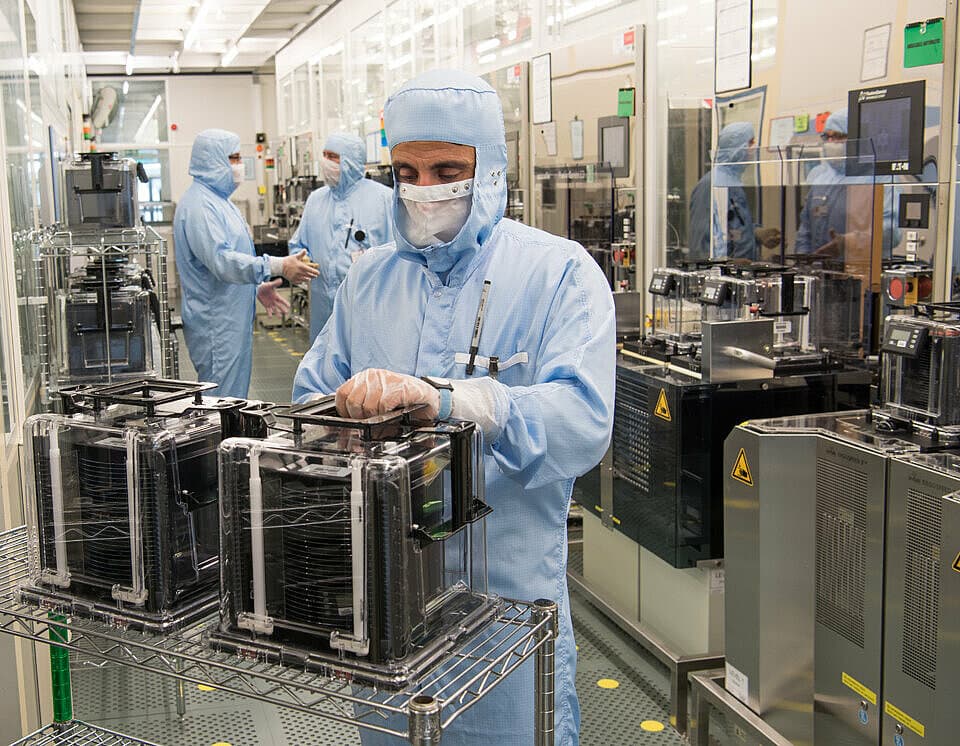
NXP Cleanroom, © Nadia Ten Wolde

Team IO+ selects and features the most important news stories on innovation and technology, carefully curated by our editors.
The Dutch government has announced a €150 million initiative to address the global shortage of technical talent, with a sharp focus on the semiconductor industry. The 'Knowledge Empowers You' (KEY) program will run from 2027 to 2031, investing in education and workforce development across partner countries in the Global South. The move aligns with the Netherlands’ National Talent Strategy and aims to secure a sustainable pipeline of skilled labor for its critical industries.
The KEY program targets sectors vital to Dutch economic growth, particularly semiconductors, by strengthening education systems in Egypt, India, Indonesia, Malaysia, Morocco, Nigeria, and Vietnam. The initiative will fund curriculum development, practical training, and collaborations between local educational institutions and businesses. By aligning labor supply with market demand, the program seeks to enhance international trade opportunities and reduce strategic dependencies.
Minister of Foreign Trade and Development Cooperation Sjoerd Sjoerdsma: "With the new programme we’re expanding opportunities for businesses in the Netherlands and in the Global South by investing in the education of technical talent. In addition, we’re strengthening our relations with partner countries and working to reduce strategic dependencies."
Funding and alignment with national goals
The €150 million allocation comes from the Foreign Trade and Development Cooperation budget. The program is part of the National Talent Strategy and the National Microchip Talent Reinforcement Plan, both designed to bolster the Netherlands’ competitiveness in high-tech industries. The initiative also complements existing efforts, such as the Beethoven campaign, which allocated €1 million for semiconductor-focused massive open online courses.
A core component of the KEY program is fostering direct connections between students and Dutch businesses, particularly in the chip sector. This includes scholarships for local education and practical learning opportunities tailored to industry needs. The program aims to increase the number of specialists graduating from these initiatives, ensuring they are equipped with the skills required by Dutch and international employers.
By integrating educational institutions with private-sector partners, the program seeks to bridge the gap between academic training and real-world industry demands, a persistent challenge highlighted by initiatives like the NanoIC pilot line in Europe.
The talent shortage problem
The KEY program addresses a pressing global issue: the semiconductor industry’s projected talent shortage. Europe alone faces a deficit of over 271,400 professionals by 2030, with technical roles proving particularly difficult to fill. The mismatch between academic training and industry requirements has left graduates ill-prepared for roles in semiconductor fabrication.
Programs like the European Chips Act aim to double the EU’s market share in semiconductors by 2030, but achieving this requires a coordinated effort to upskill and attract talent. The Dutch initiative contributes to this broader goal by expanding the talent pool beyond its borders, ensuring a more resilient and diverse supply chain.