
How U.S. sanctions are luring Europe into a digital trap
ICC judges and European organizations are being paralyzed by U.S. sanctions. Here’s how it works—and what the consequences are for you.
Published on September 8, 2026

Team IO+ selects and features the most important news stories on innovation and technology, carefully curated by our editors.
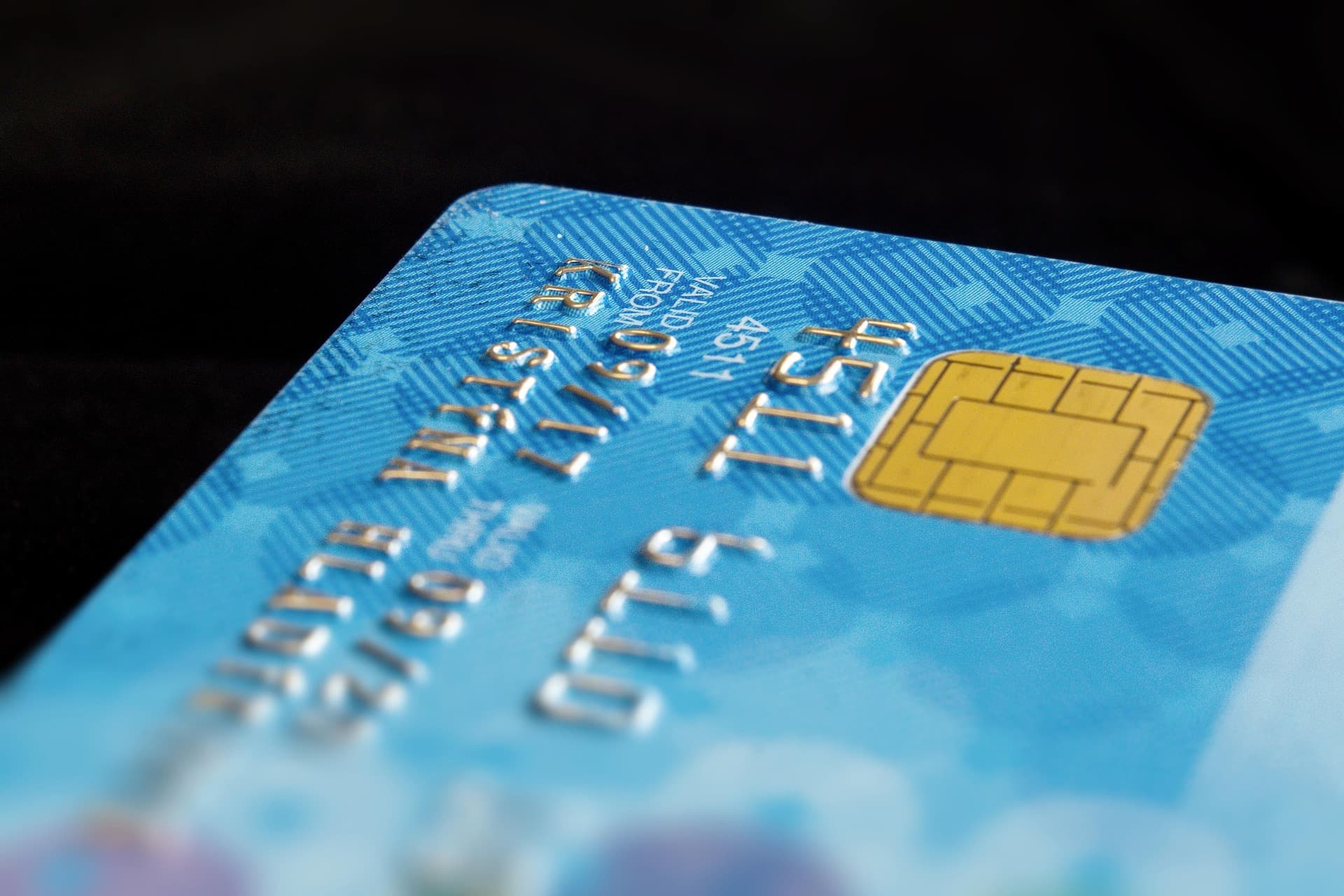
On August 20, 2025, the U.S. government placed ICC Judge Nicolas Guillou on a sanctions list. Within a few days, his bank card stopped working, his insurance company blocked payments, and platforms such as Booking.com and Uber refused to serve him as a customer. Guillou, a French judge, suddenly couldn’t even go grocery shopping. His crime? He had co-authored an arrest warrant against Israeli Prime Minister Netanyahu. What happened to him could happen to any European—and that is precisely the point.
The sanctions: no credit card, no groceries
Since 2025, the U.S. has imposed sanctions on at least 12 ICC judges, two deputy prosecutors, one staff member, and former prosecutor Karim Ahmad Khan. The measures are threefold: a travel ban to the U.S., a freeze on any U.S. assets they may hold, and a prohibition on Americans—and thus also U.S. companies—from providing them with services. The latter is crucial. Because anyone labeled “sanctioned” in the U.S. loses access to nearly everything that relies on U.S. infrastructure: Visa, Mastercard, PayPal, Amazon, Google, Microsoft, and even logistics services like UPS. Even Guillou’s French bank, which relies on Visa, blocked his credit card. The sanctions are a direct response to ICC investigations into Israeli leaders, but they also affect innocent parties who are inadvertently caught in the crosshairs.
The technological trap: why Europe is vulnerable
Europe’s dependence on U.S. technology and financial systems is what makes these sanctions so effective. Approximately 90% of all global payments go through SWIFT, a system over which the U.S. wields significant influence. Visa and Mastercard dominate the credit card market, while cloud services like AWS and Google Cloud are essential for businesses and governments. As soon as a European individual or organization ends up on a U.S. sanctions list, these companies—under threat of fines or criminal prosecution—must block access. This also applies to European banks that collaborate with U.S. partners. The ICC is trying to circumvent this by switching to European alternatives such as Open Desk, but for many organizations and citizens, that is not yet a practical option.
The legal shield: the blocking statute
Europe does have a weapon at its disposal: the **Blocking Statute**, a 1996 regulation that prohibits EU companies from complying with extraterritorial sanctions imposed by third countries, such as those of the U.S. If the EU activates this regulation and expands it to cover specific U.S. sanctions (such as Executive Order 14203), European companies and institutions can be legally protected against U.S. pressure. Nevertheless, its application remains limited. The Netherlands and The Hague are doing “everything behind the scenes” to mitigate the sanctions against ICC staff, but concrete measures are lacking. The European legal community and human rights organizations are calling on the EU to activate and expand the Blocking Statute, but so far there has been little concrete action.
Who else is at risk?
The sanctions against ICC judges are just the beginning. European citizens and organizations involved in humanitarian aid in conflict zones, such as Gaza, are also at risk. For example, if a “Aid for Gaza” foundation collaborates with the ICC or engages in activities that do not sit well with the U.S., it could suddenly find itself facing blocked bank accounts, frozen transactions, or restricted access to digital services. Individuals serving on the boards of such organizations may also be personally affected. The only way to mitigate this risk is to reduce dependence on U.S. systems and make use of European alternatives.
For payments, there are options such as iDeal and Wero (the successor to iDeal), which do not rely on U.S. networks. For cloud storage and digital services, there are mature European alternatives such as Proton (email and cloud), Nextcloud (file storage), and OVHcloud (infrastructure). Still, the transition is not easy. American services dominate due to economies of scale, integration with existing systems, and habit. A phased approach is therefore the best strategy.
The price of dependence
The Guillou case demonstrates how vulnerable Europe is to American pressure. As long as European companies, governments, and citizens remain dependent on American technology and financial systems, the U.S. can shut down entire sectors with the stroke of a pen. The sanctions against the ICC are not only an attack on the international legal order but also a wake-up call for Europe. If the EU does not take swift action—by activating the Blocking Statute, promoting European alternatives, and reducing dependence on U.S. infrastructure—it runs the risk of increasingly falling victim to such measures.