
NATO invests millions in Dutch infection detection startup
The NATO Innovation Fund is investing millions in Inbiome, a Dutch startup developing diagnostic tools for bacterial infections detection.
Published on April 1, 2026
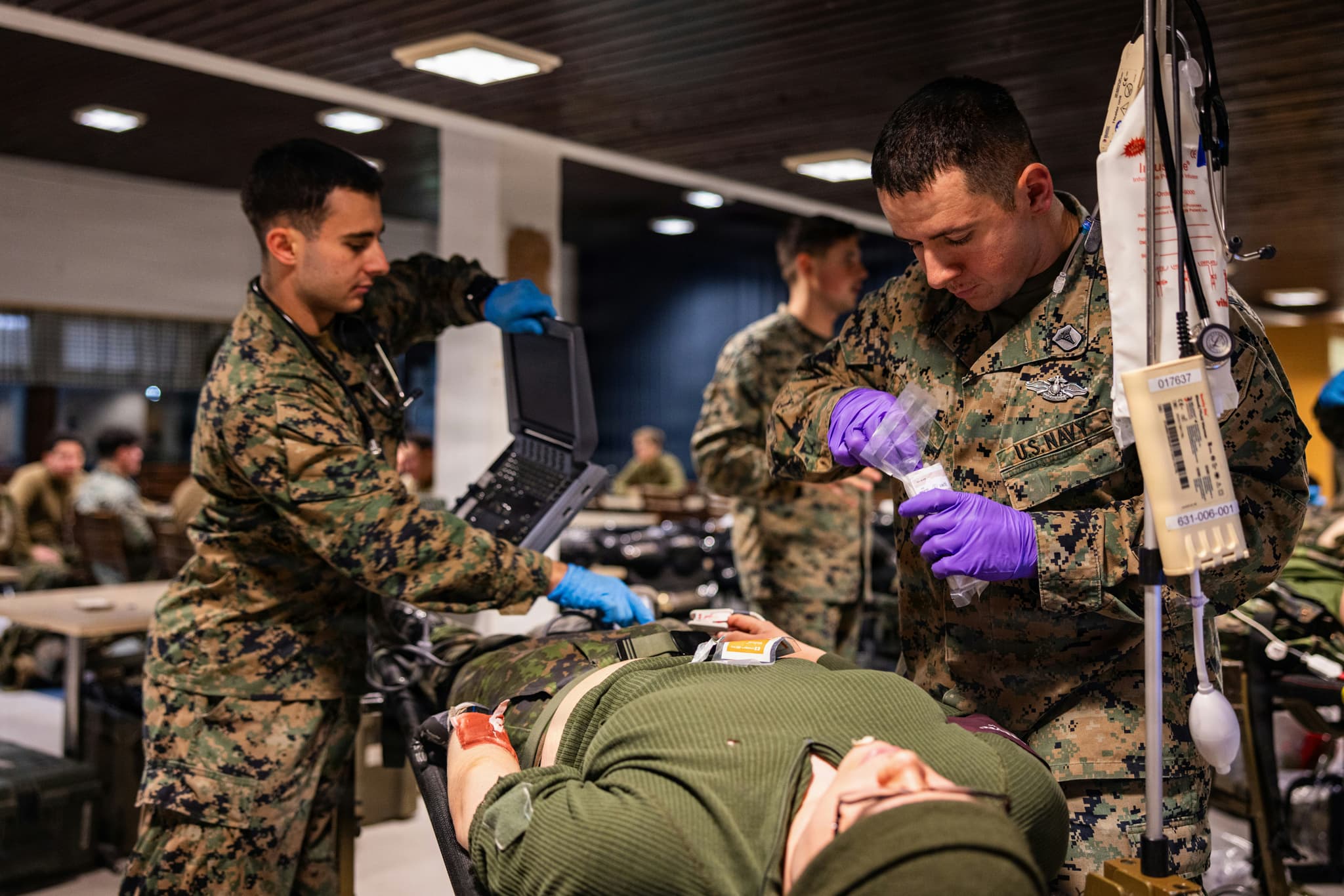
© Unsplash - Navy Medicine

Team IO+ selects and features the most important news stories on innovation and technology, carefully curated by our editors.
NATO is investing millions in the biotech company Inbiome, which has developed a rapid method to identify bacteria responsible for infections. The company has raised a total of €16 million, with the NATO Innovation Fund (NIF) as the leading investor, according to the Dutch financial newspaper FD.
Inbiome specializes in rapid diagnostics for bacterial infections. Their proprietary Molecular Culture® technology combines machine learning with innovative chemistry to profile the bacterial microbiome. This technique detects all bacterial DNA, converts it into unique barcodes, and uses an advanced AI platform to identify all bacteria present within hours. Traditional methods can take a few days to achieve the same results.
This technology aims to shift healthcare from treatment before diagnosis to diagnosis before treatment, enabling more effective treatments. Injured soldiers can easily contract infections on battlefields, hence NATO's interest in Inbiome's tech to improve diagnostics.
NATO's first investment in a Dutch startup
Amalia Kontesi, chief communications and marketing officer of NIF, told the FD that NATO sees many opportunities to improve infection diagnostics on the war front, including in Ukraine.
The one in Imbiome is the NIF's first investment in a Dutch company. The NATO Innovation Fund, established as part of the NATO 2030 initiative, is backed by 24 NATO allies and has over €1 billion to invest in deeptech startups. It focuses on startups addressing challenges in defense, security, and resilience.
The fund provides deeptech entrepreneurs access to 24 allied governments and extensive networks, including nearly 90 NATO-affiliated test centers and over 6,000 Allied scientists. The United States does not contribute to this fund.