
Nearly half of solar panel owners would choose differently today
Nearly half of solar panel owners say they would not have bought solar panels if they had known the net metering scheme would be phased out.
Published on November 18, 2026
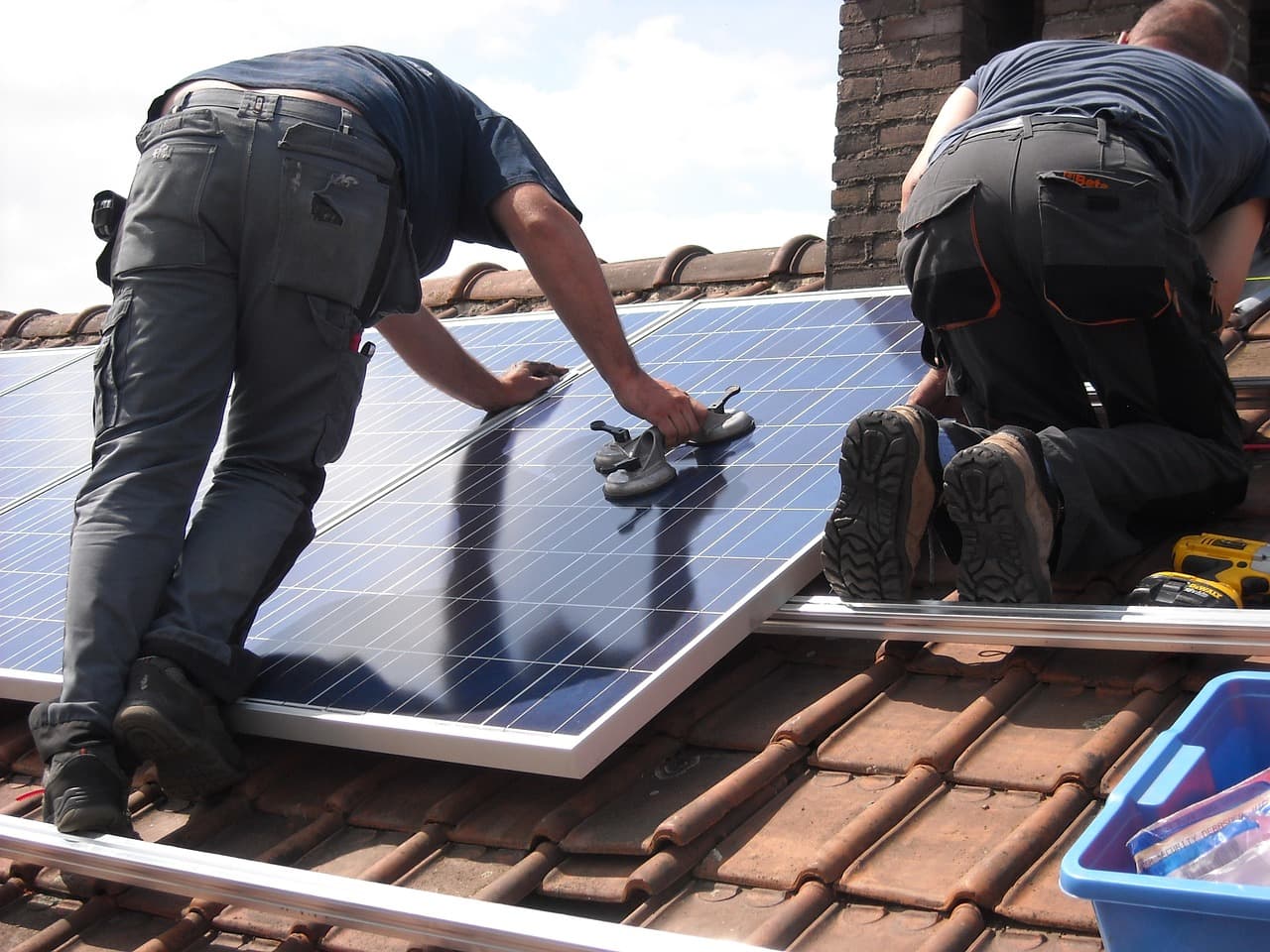
From January 1, 2027, households with solar panels will no longer be able to offset all the electricity they feed back into the grid against their own electricity consumption. The abolition of the net metering scheme is prompting many owners to reconsider their expectations of the investment. A survey by Budget Thuis of 1,038 solar panel owners found that 46 percent would not have purchased solar panels if they had known in advance that the scheme would come to an end.
At the same time, many households are looking for ways to use more of the electricity they generate themselves. For example, 86 percent plan to change their electricity consumption habits from 2027 onwards.
Energy storage is also becoming an option. Nearly four in ten respondents are considering buying a home battery. This would allow households to store surplus solar power and use it at a later time.
Longer payback periods put investment under pressure
According to Krista Jansen, energy pricing specialist at Budget Thuis, dissatisfaction with the abolition of the net metering scheme is largely linked to the expectations people had when they originally purchased their solar panels. Many owners counted on the scheme to help them recoup their investment within a certain period.
Although solar panels are expected to remain financially accessible for most households even after the scheme ends, the payback period may become longer. The investment's attractiveness will depend, among other things, on household electricity consumption and the ability to use generated electricity directly.
Greater awareness of electricity consumption
The end of the net metering scheme makes not only the financial return on solar panels more relevant, but also the timing of household electricity consumption. Six in ten solar panel owners say the changes have made them more aware of their own energy consumption.
According to Jansen, the difference between when electricity is generated and when it is consumed is becoming increasingly important. “Important considerations include the purchase price, the payback period and how much electricity you do not use during the day.”
However, changing daily habits is not an obvious choice for everyone. Some 32 percent say it would be too much trouble to change their energy consumption habits from 2027 onwards. Running household appliances during the day may sound simple, but it does not always fit into people's daily routines.
The survey results show that these changes will affect not only future investments in solar energy, but also how existing owners manage their electricity consumption.