
Net congestion and policy slow down Dutch solar growth
Net congestion and policy shifts cut Dutch solar additions in 2025, the lowest in nine years.
Published on September 9, 2026
© Unsplash

Team IO+ selects and features the most important news stories on innovation and technology, carefully curated by our editors.
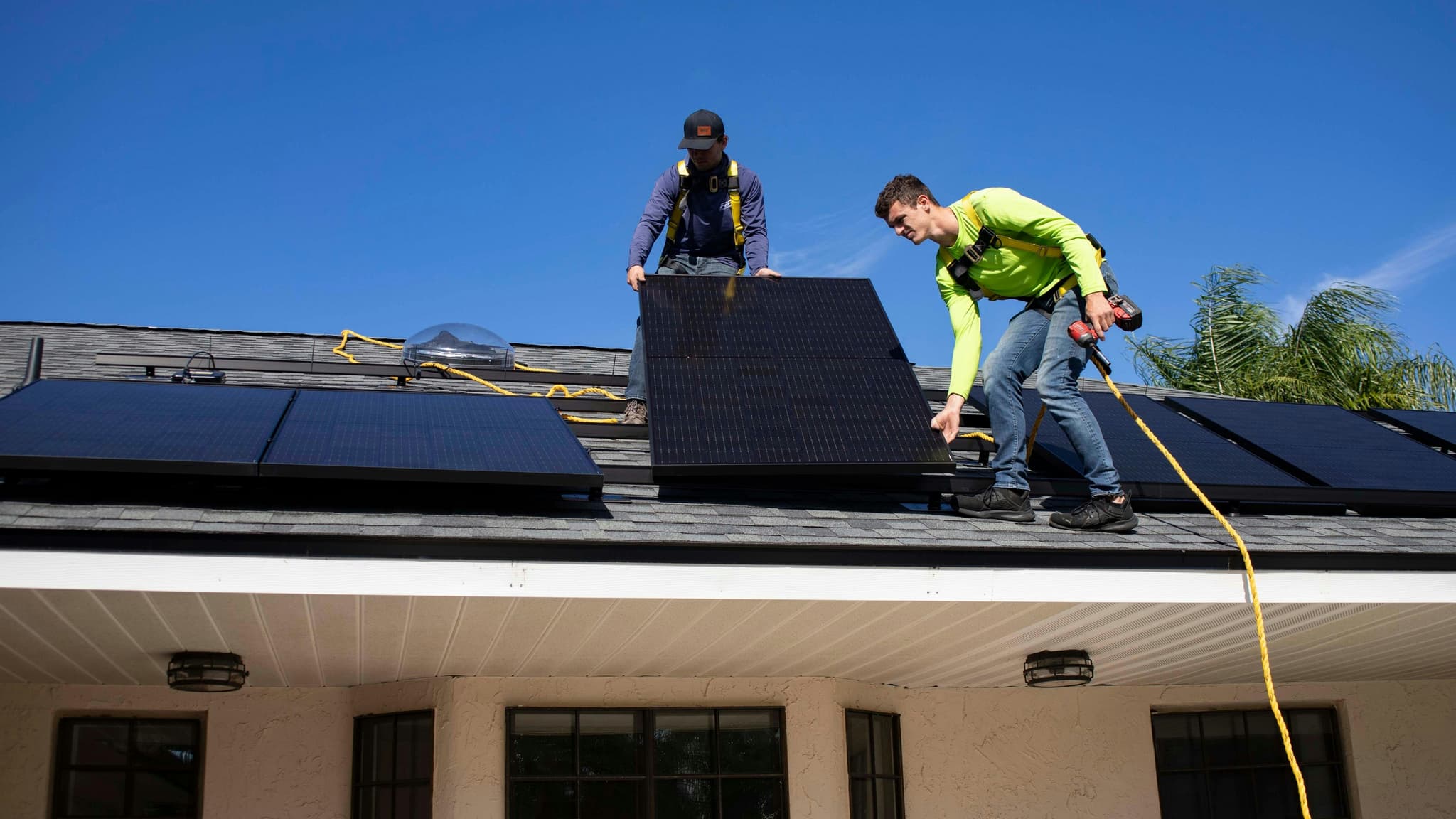
According to the Netherlands Enterprise Agency (RVO), 2025 marked a slowdown in new solar capacity additions in the country. Only 1.4 GWp of solar panels were installed, the lowest annual increase in nine years.
This brings total installed capacity to 29.4 GWp, enough to deliver nearly a fifth of the country's electricity production. The slowdown is not isolated to large-scale projects; both residential and commercial installations are affected. RVO attributes the decline to a combination of grid congestion, the impending end of the net metering scheme (salderingsregeling), and direct fees charged by energy suppliers for returning solar electricity to the grid. These factors have created financial uncertainty, discouraging investment in new projects.
Grid congestion as the primary brake
Grid congestion is the most immediate obstacle to solar growth. The Dutch electricity grid, originally designed for one-way power flow, is struggling to absorb the surge in decentralized generation from solar panels, wind farms, and electric vehicle charging. In 2025, the grid experienced 581 hours of negative electricity prices—7% of the year—due to overproduction, leading to curtailment of renewable energy.
Net operators like Liander, Enexis, and Stedin now enforce waitlists for new connections, with delays ranging from 2 to 6 years depending on the region. The Netherlands Authority for Consumers and Markets (ACM)'s new prioritisation framework, effective since January 2026, gives preference to projects that alleviate congestion, such as those incorporating battery storage.
The end of net metering nears
The phasing out of the salderingsregeling, which allows households to offset solar power fed back into the grid against their consumption, is a major policy driver behind the slowdown. Currently, the scheme remains in full effect until December 31, 2026, but from January 1, 2027, it will be replaced by a market-based feed-in tariff of approximately €0.07/kWh—far below the current retail price of around €0.28/kWh.
This shift significantly reduces the financial attractiveness of solar investments. Payback periods for residential solar systems are expected to rise from 6–8 years to 12–15 years, depending on usage and electricity prices. Municipal subsidies and tax incentives, such as the 0% VAT on solar panels, offer some relief but are insufficient to offset the loss of net metering.
Financial disincentives and project delays
Beyond policy changes, financial disincentives are compounding the slowdown. Energy suppliers now charge direct fees for returning solar electricity to the grid, further eroding the profitability of solar installations. Large-scale solar projects face additional hurdles, including delays in grid connection approvals and higher upfront costs due to congestion-related infrastructure upgrades.
In 2025, nearly 30% of subsidized solar projects failed to materialize due to a lack of grid capacity. The SDE++ subsidy program, once a key driver of renewable energy growth, saw its lowest number of approved solar projects in years, with only 283 projects receiving funding in the summer of 2025.
The outlook for 2026–2028
RVO forecasts that solar capacity growth will average just 1.3 GWp annually between 2026 and 2028, less than half the rate of 2024. This conservative projection reflects the persistent challenges of grid congestion, policy uncertainty, and financial barriers. However, the sector is not without solutions.
Battery storage, dynamic energy contracts, and cable pooling are emerging as viable alternatives to mitigate congestion and improve project economics. The Dutch government is also exploring new support mechanisms, such as contracts for difference, to stimulate investment in renewable energy projects. These measures, combined with planned grid reinforcements, could help stabilize growth in the medium term.