
New system aims to make railways around Rotterdam safer
Rotterdam and Schiedam have a new digital train signalling system. It replaces an installation that has been in use for thirty years.
Published on November 10, 2026
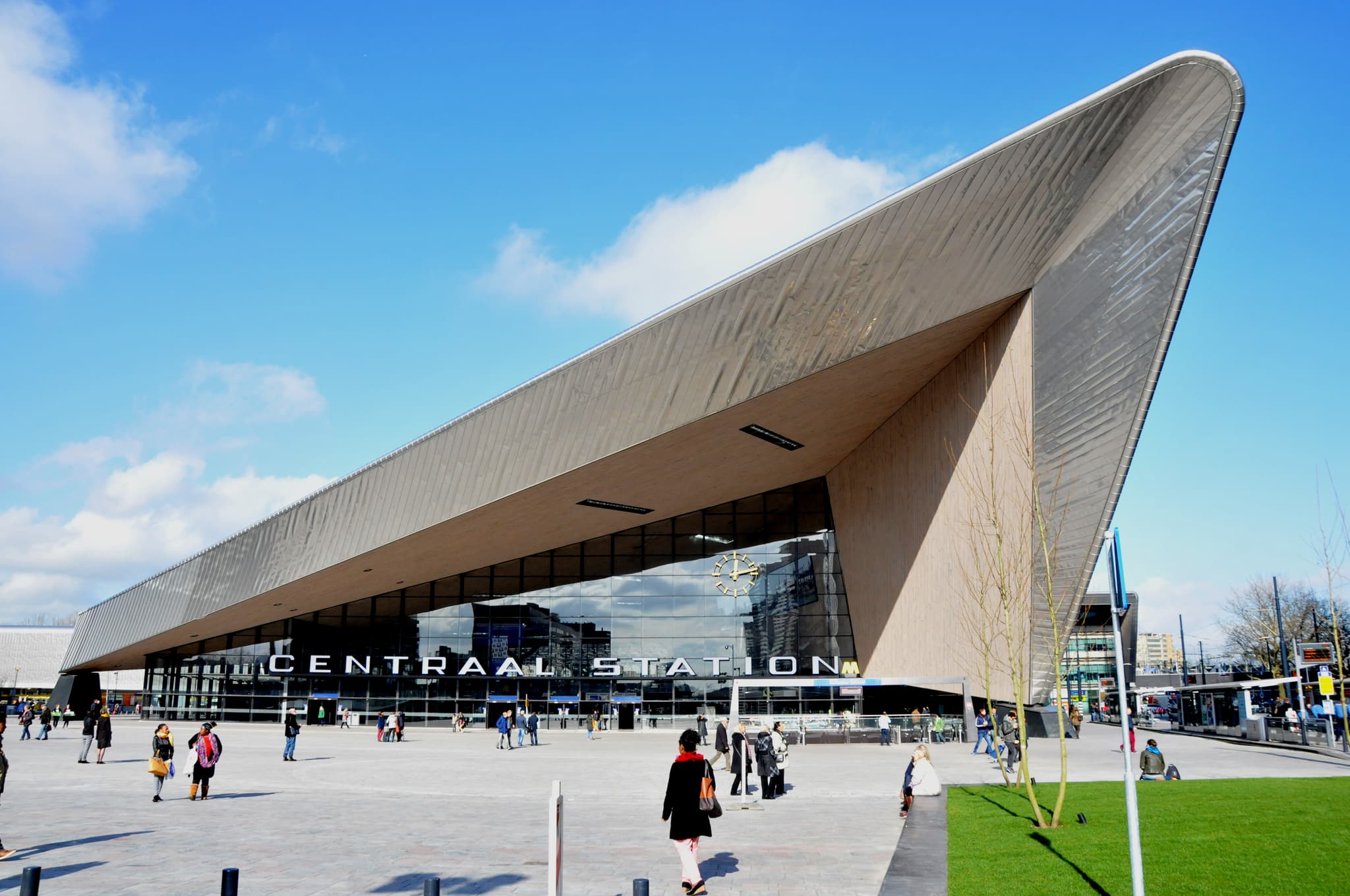
Since last weekend, the railway network around Rotterdam and Schiedam has been equipped with a new train signalling system. The new installation is designed to ensure that trains can travel safely and reliably through the busy railway area. It will help keep Rotterdam and the surrounding region accessible for both passenger and freight transport in the years to come.
“With the introduction of the new signalling system, we are taking an important step towards improving the reliability and availability of the railway network around Rotterdam,” says René van der Haar, project manager at ProRail.
An intensive process
The digital system, known as an IXL interlocking system based on PLC technology, forms the heart of the train signalling infrastructure. It controls signals and switches, tracks the locations of trains and monitors whether train movements can take place safely. The installation replaces the old EBS system, which had been in use for almost thirty years.
A key challenge was replacing the signalling system while keeping the existing installation operational. To achieve this, the project team built the new system alongside the old one. Relay buildings were also modified, and new cable connections and power supplies were installed.
According to Alex van Gilst, project director at Movares, the process was intensive. “This is the result of years of preparation, design, construction and testing. With train signalling, every control and every signal must demonstrably function correctly. That is why we built the new installation alongside the existing system and tested it extensively before making the final switch.”
Work to continue until 2027
ProRail commissioned the project. Movares worked together with Van Gelder Rail and other specialised partners to carry out the upgrade.
Although the new system is now operational, the project is not yet fully complete. The old installation still needs to be removed, temporary facilities will be dismantled and the technical rooms will be permanently fitted out. These final works are expected to continue until the end of 2027.