
Not the slogan but the reflex: Peter Kentie’s Share the Vibe
According to the man behind Eindhoven’s brand story, real strength lies in mentality: what you automatically do when no one is watching.
Published on February 27, 2026
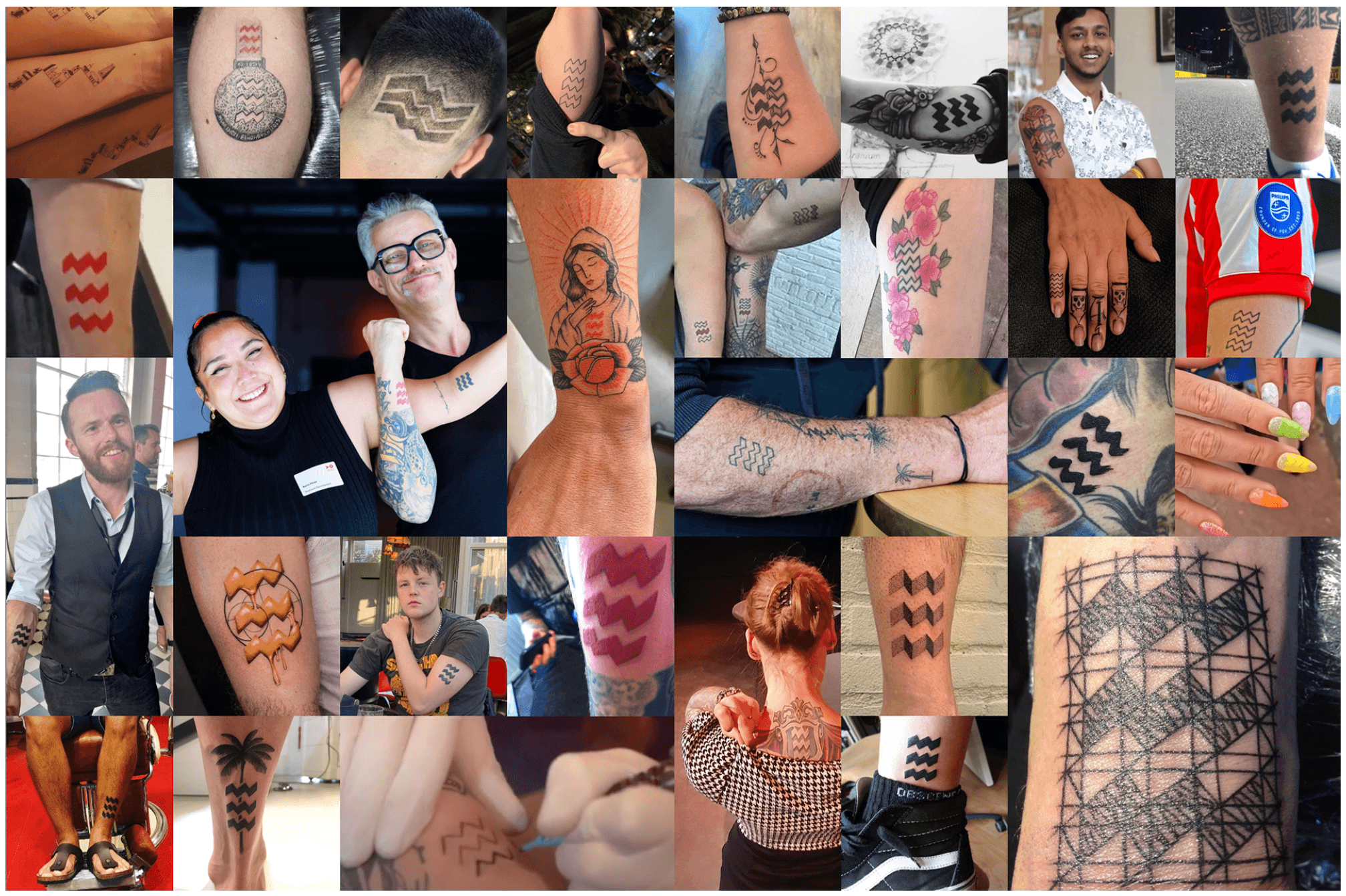
Share the Vibe © Peter Kentie / Eindhoven365
Bart, co-founder of Media52 and Professor of Journalism oversees IO+, events, and Laio. A journalist at heart, he keeps writing as many stories as possible.
The anecdotes flow easily when you sit down with Peter Kentie. About how foreign delegations are welcomed with open arms, the moment you add something unexpected. About how a startup ecosystem can fascinate people accustomed to ministries and policy papers. About Estonia, where you sense that a country can now “position” itself almost like a company.
But halfway through our conversation, something shifts. By then, we have already discussed earned media, avoiding brand confusion between Eindhoven, Brainport, Brabant, and the Netherlands, the misunderstandings sparked by “Holland” (“South or North?”), and the perpetual tension between city marketing and economic lobbying. Kentie sighs, as if he has explained this a hundred times before — and then he gets to the core: he no longer wants to talk about Eindhoven’s story. He wants to talk about the mechanism behind it.
Not brand values. Brand mentality.
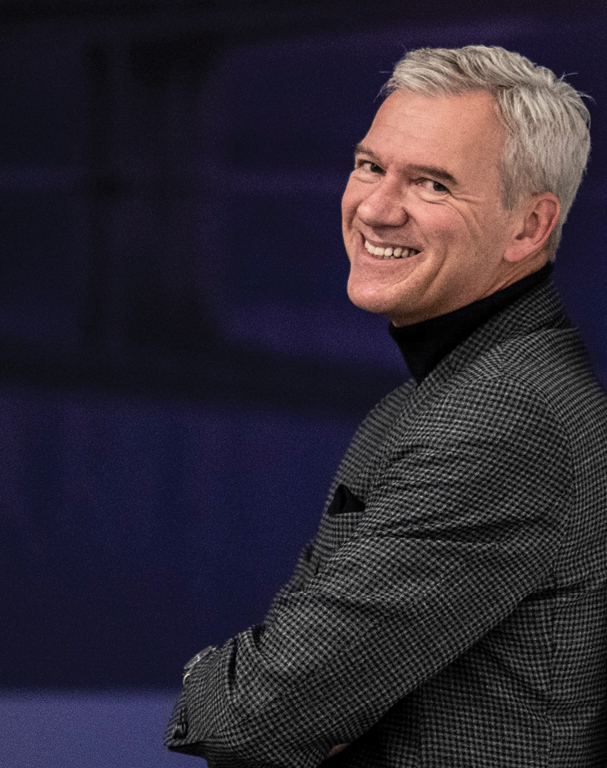
Peter Kentie
Share the Vibe
“Share the Vibe” describes the chosen strategy and its creative execution, as practiced by the daily operations of the city marketing organization Eindhoven365. It was a long-term and successful project with clear objectives, based on an approach that was as distinctive as it was appealing: co-creation and open source. Across 500 pages, Share the Vibe shows how an industrial city transformed into a vibrant, innovative city that attracts global attention. Peter Kentie, who stepped down in 2025 after 12.5 years of service to his city and was awarded the honorary title of “citizen of honor,” wrote this standard work. Even after leaving as director of Eindhoven247 and Eindhoven365, he continues to serve Eindhoven and the Brainport region as a consultant and acts as a consul for Estonia.
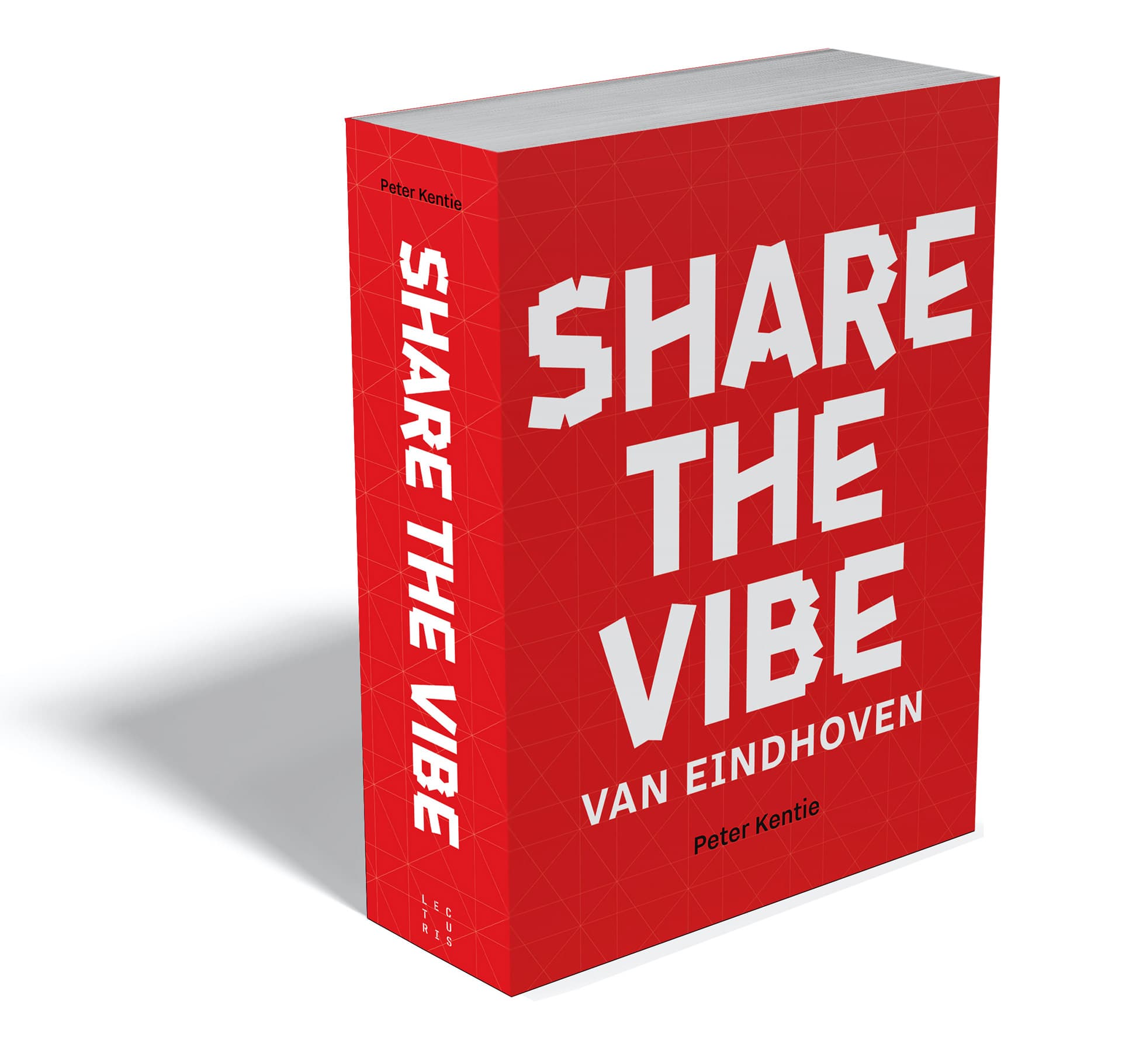
Share the Vibe © Peter Kentie / Eindhoven365
From brand values to brand mentality
Anyone working in city marketing recognizes the trap: every city is “innovative,” “open,” “welcoming,” “sustainable.” Checkboxes. Presentations. Matching stock photos. And then a brand that is interchangeable.
Kentie is after something else. Mentality is not what you invent because it sounds good; it is what you see reflected in behavior. In reflexes. In how a city approaches problems, how people collaborate, how ideas come into being.
He recalls sensing this years earlier with brands like PSV: there are brands you cannot neatly define with an academic model and a list of core values. It is not about tidy definitions, but about energy — about the feeling that there is “something” inside such a community.
For Eindhoven, he ultimately found that “something” in a single word that unlocked everything: unconventional. Not as a gimmick, but as a stubborn characteristic: where others turn left, Eindhoven turns right. Not out of contrariness, but because it can. Because there are makers and designers who think: why create the same thing if it already exists?
And that is precisely where city marketing suddenly becomes directly connected to innovation and technology. Innovation is rarely the product of a rigid plan. It is iteration. Friction. An unexpected solution. The ability to see something break and think: good, now we can improve it.
A tech hub is also a user experience
Kentie often thinks like a product builder. Throughout our conversation, he stresses the importance of viewing the city through the eyes of the “customer,” a word he pronounces without a trace of cynicism.
Imagine: an engineer from Bangalore considering a job at ASML. That person does not only search for ASML. They search for High Tech Campus. For Eindhoven. For the Netherlands. Somewhere in between float Brabant and the word Brainport.
If those layers contradict each other, you create noise. Confusion. A sense that the story does not add up. That, precisely, frustrates Kentie: brand development is not a poster, it is a chain. If the chain breaks, you lose people before they have even set foot in the city.
That is why he insists on consistency. Not because it looks “nicer,” but because it is functional: an ecosystem that wants to attract talent, companies and investors cannot afford narrative chaos.
Why open source branding is not a gimmick
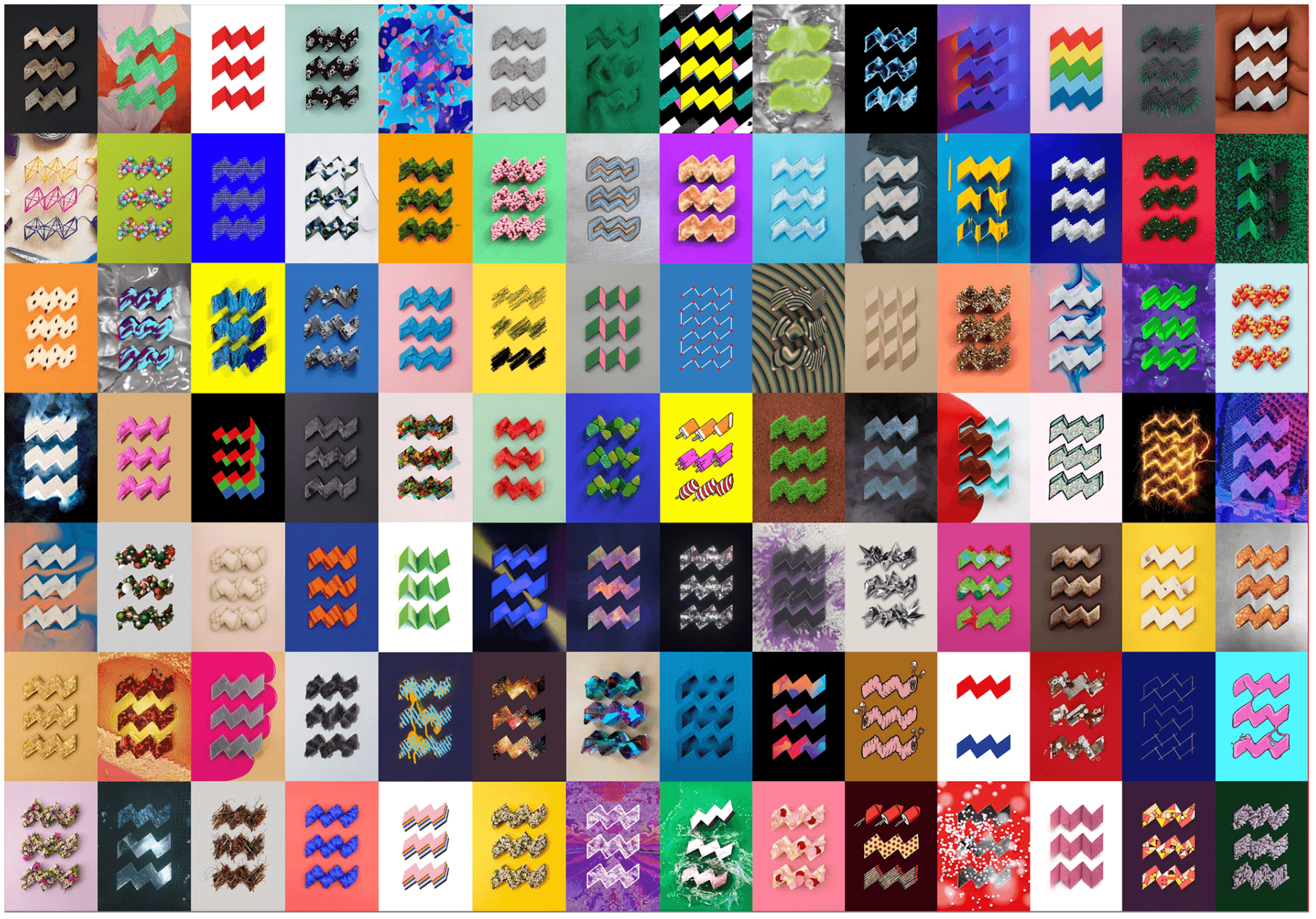
Eindhoven became an international example with an approach more familiar in tech than in municipal halls: open source.
Not locking down and guarding the brand, but releasing it. Allowing others to use it, adapt it, spread it. Vibes that can appear anywhere — at events, on posters, in initiatives — without constant permission.
Share the Vibe © Peter Kentie / Eindhoven365
It may look like a creative choice, but at its core it is a shift in power. You take the brand away from the organization and return it to the city. And precisely because of that, the brand gains scale and ownership.
Anyone who understands platform logic immediately sees why this works: adoption matters more than control. Community matters more than campaign. When everyone is allowed to use it, it comes alive.
Earned media as ecosystem strategy
Another concept that never becomes mere “marketing talk” with Kentie is the idea that, as a region without enormous media budgets, you must win through stories.
Do not claim you are innovative; make sure others say it about you. Tempt international media with concrete, distinctive stories: design, technology, knowledge, culture — but especially the combination of those. Not because it “sounds nice,” but because it is the cheapest and most powerful way to become top-of-mind worldwide.
Humanity alongside earning power
Then comes the moment when Kentie talks far less about “branding” and far more about society.
Eindhoven has become successful through technology and industry. But success has a price: pressure on space, on amenities, on social cohesion. Kentie notes how a city can easily retreat into rational goals that no one opposes — housing, accessibility, safety — while the real question concerns something harder to measure: humanity.
What does an innovative city mean if people no longer meet each other? If internationals root professionally, but not socially? If broad prosperity lags behind economic momentum?
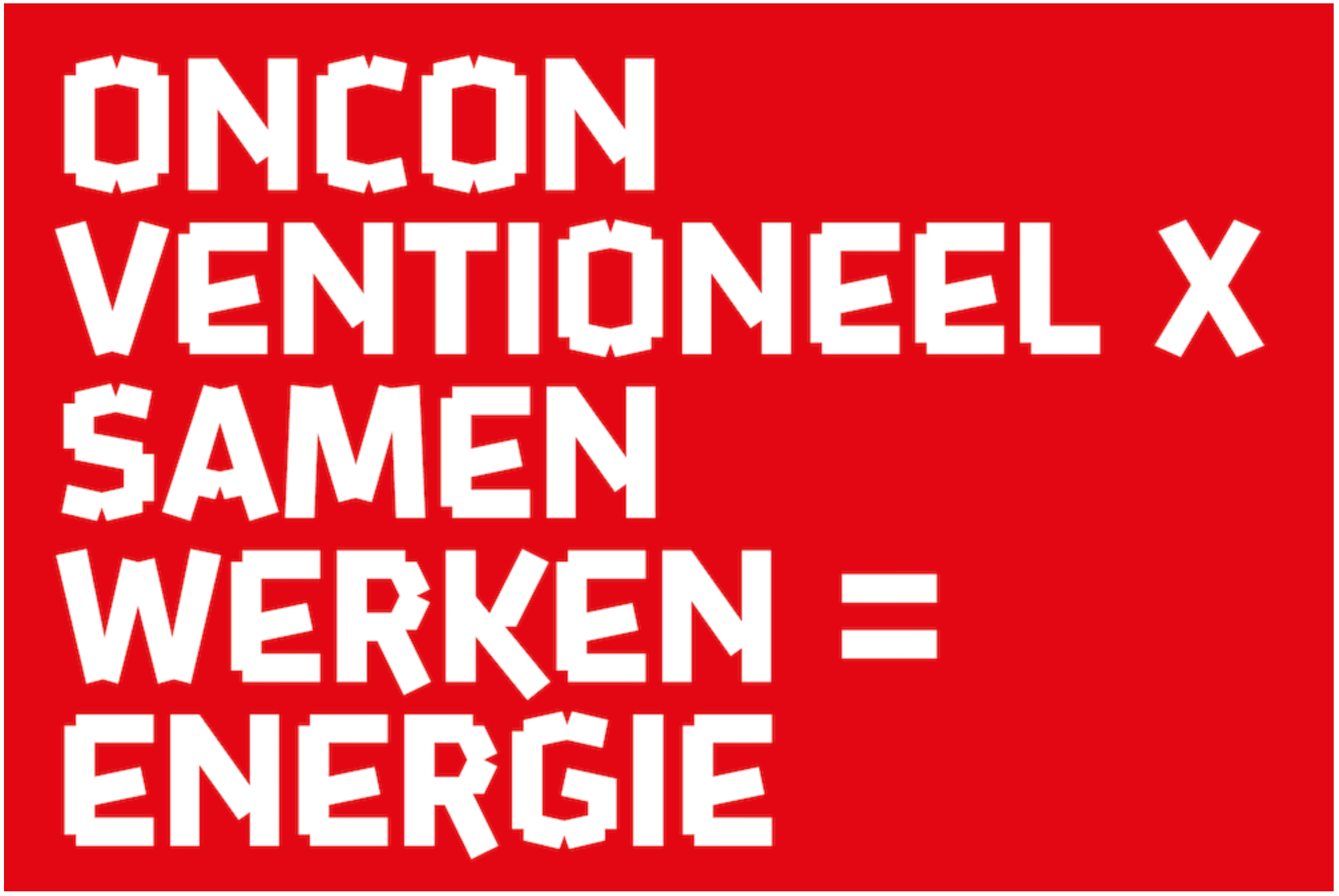
For Kentie, this question belongs to city marketing, precisely because city marketing once began as an attempt to build pride and connection — not merely to “score” visitors or investments. A city is not a product you optimize until conversion is perfect. A city is a community.
Share the Vibe © Peter Kentie / Eindhoven365
The reflex as compass
Perhaps this is the most useful translation of Kentie’s message for today’s Brainport reality: Eindhoven put itself on the map through a mentality that made innovation possible. But that same mentality now demands a next step: not only smart, but socially smart. Not only scale, but cohesion.
“Brand mentality” is therefore more than a branding term. It is a compass. A way to stay on course when the temptation is strong to fall back on slogans, lists and quick wins.
Eindhoven grew by daring to be unconventional. The question now is: does the city dare to be unconventional when it comes to humanity, inclusion and broad prosperity — without losing its technological engine?
The real test: can a tech region remain human?
What ultimately makes Peter Kentie’s story so relevant to the current Brainport debate — focused on polarization, unequal speeds and broad prosperity — is that it sharply exposes where the real tension lies. Not between marketing and reality, but between technological acceleration and social cohesion.
Eindhoven became big by doing what it does best: building, making, improving, scaling. That mentality gave the region international relevance, from semiconductors to design, from deep tech to advanced manufacturing.
But that very strength now sets new demands. An ecosystem that competes globally on knowledge and technology cannot afford to lose local support. Innovation without human grounding eventually hollows itself out. That is not a moral statement, but a strategic one: talent stays only where it feels at home — where collaboration and connection are natural, and where progress is not measured solely in economic terms.
In that light, Kentie’s emphasis on mentality acquires an almost political meaning. Not as ideology, but as a guiding principle. Eindhoven is not a brand you optimize; it is a system you must understand. A system in which technology is not an end in itself, but a means to keep a city livable, attractive and resilient.
Perhaps that is the most important lesson of Share the Vibe: real innovation does not start with chips, funds or campuses, but with the question of how a region relates to itself. Those who continue to ask that question — even when the economy is booming — are more likely to remain relevant than those fixated on growth alone.
The real challenge
Ultimately, it is not about who innovates fastest, but who can connect technology with humanity. Eindhoven grew by daring to be idiosyncratic; the real challenge is to maintain that mentality now that the scale is larger, the pressure higher and the stakes heavier. A region that thinks only in terms of growth and efficiency loses precisely what makes innovation possible: people who feel at home there and want to move forward together.