
Nuclear power plant in Eemshaven: Heat danger for the Wadden Sea
A new nuclear power plant in Eemshaven threatens the vulnerable Wadden Sea due to the discharge of warm cooling water.
Published on June 23, 2026
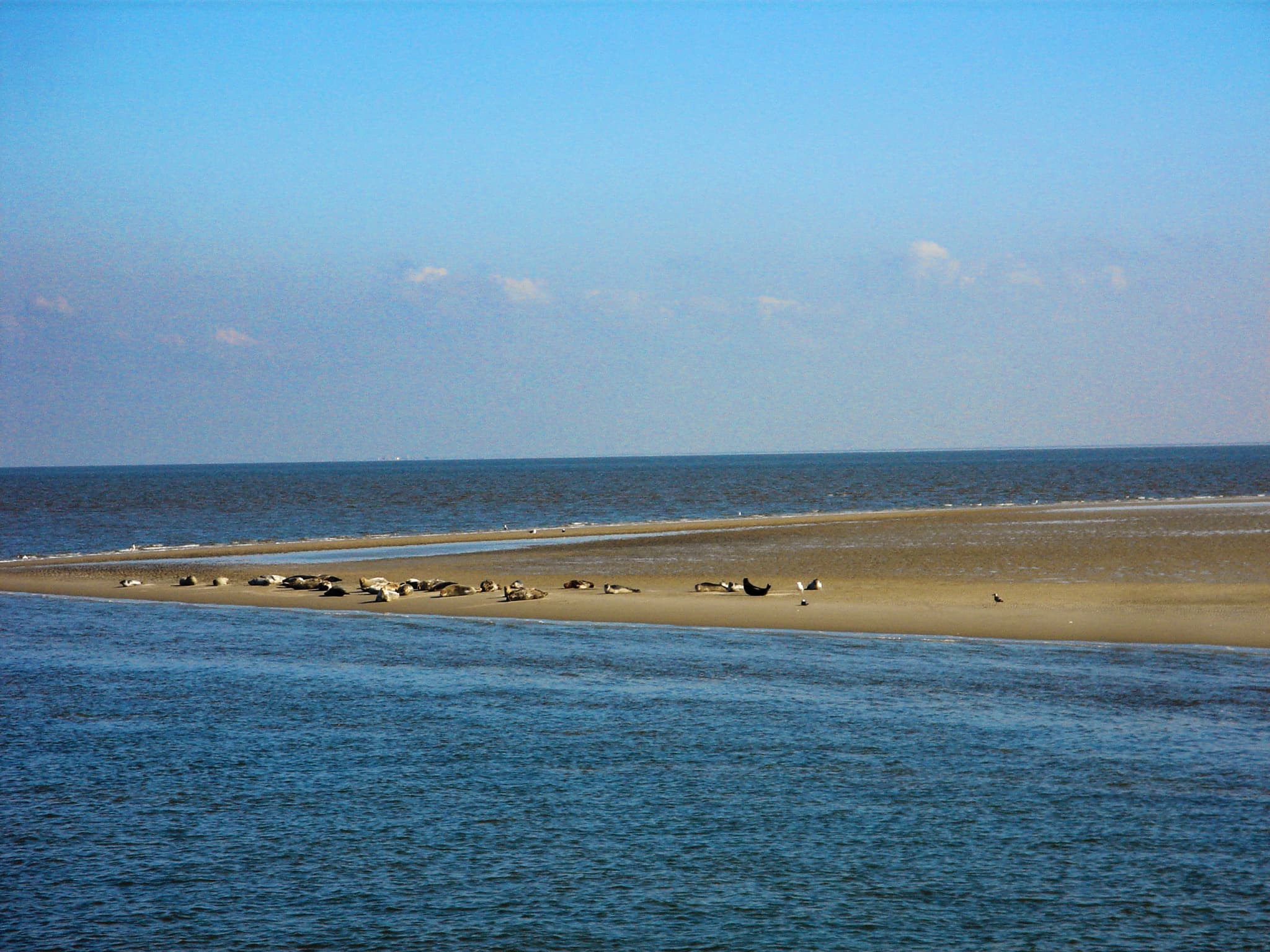
The Waddenzee. Image by Txllxt TxllxT via Creative Commons. CC-BY-SA-4.0

Merien co-founded E52 in 2015 and envisioned AI in journalism, leading to Laio. He writes bold columns on hydrogen and mobility—often with a sharp edge.
The debate over new nuclear power plants in the Netherlands is in full swing. Eemshaven in Groningen is prominently being considered as a potential location. However, the plans are met with fierce opposition from environmental organizations and local governments. The main concern is not nuclear safety itself, but the massive amount of warm water the plant must discharge. This cooling water flows directly into the Wadden Sea, a unique and already heavily burdened nature reserve. The discharge poses a direct threat to vulnerable marine life and to the area's international status.
The cooling water requirement of a nuclear power plant
Nuclear power plants continuously require vast amounts of water to cool the reactor. This water absorbs the residual heat and then flows back into nature. In Eemshaven, this warmed water would flow directly into the Wadden Sea. Milieudefensie (Friends of the Earth Netherlands) warned in a letter sent two years ago that this thermal load would severely disrupt the local ecosystem. Warm water contains less oxygen and unnaturally accelerates biological processes. This can lead to algal blooms and fish kills.
The Wadden Sea has been a UNESCO World Heritage Site since 2009. This status obligates the Netherlands to strictly protect the area's ecological integrity. Large-scale industrial activities that artificially raise water temperatures do not fit this requirement. The Netherlands Commission for Environmental Assessment (Commissie m.e.r.) therefore demands that the exact cooling-water discharge capacity at Eemshaven be thoroughly mapped out. Without solid guarantees regarding the ecological impact, the construction of a power plant is legally unfeasible.
French lessons on heat and power outages
Proponents of nuclear energy often point to France as a successful example. However, French practice shows that warm weather is precisely the Achilles' heel of nuclear power plants. During the heatwave of June 2023, French energy giant EDF had to significantly scale back production at several power plants. Specifically, when the river water temperature becomes too high, the discharge of warm cooling water is no longer permitted. This is necessary to protect aquatic life. In extreme cases, power plants must even be shut down completely. This previously occurred at the Golfech power plant on the Garonne River. This French scenario also threatens Eemshaven. If the Wadden Sea warms up in the summer, the plant would have to shut down right when electricity demand for air conditioning peaks.
The average water temperature in the Wadden Sea has been rising for decades. This has major consequences for the food web and the migration patterns of fish and birds. A nuclear power plant in Eemshaven would add a constant flow of artificial heat to this. This reduces the area's ecological margin of safety to zero. Discharging warm water into an already warming sea accelerates biodiversity loss. The European Commission has repeatedly addressed the Netherlands regarding its failure to comply with the strict Birds and Habitats Directives in this area. Additional thermal pollution will lead to new legal proceedings and potential fines from Brussels. The combination of existing climate stress and new industrial heat is simply too much for this unique tidal area. UNESCO has already repeatedly warned the Dutch government that the Wadden Sea's status is hanging in the balance.
Alternative cooling and economic reality
To spare the Wadden Sea, the government could opt for alternative cooling techniques. The Commission for Environmental Assessment recommends investigating closed-loop cooling systems with dry cooling towers. These systems do not discharge warm water into the sea, but instead release the heat into the air. While this solves the discharge problem, it brings new disadvantages. Closed-loop cooling systems are significantly more expensive to build and operate. They also consume more energy, which reduces the plant's efficiency. In addition, the gigantic cooling towers would drastically impact the open landscape of the Groningen coast. This directly puts the plant's economic viability under pressure. Nuclear energy is inherently an extremely expensive and time-consuming technology. If the costs of complex cooling systems are factored in, the business case becomes razor-thin. This directly hits the Dutch taxpayer in the wallet.
The debate over Eemshaven forces the Netherlands to make fundamental choices for the future. Building a nuclear power plant typically takes 10 to 15 years. There is simply no time for that if we want to meet the climate goals of 2030 and 2035. By the time a power plant in Groningen could be operational, the energy landscape will have already changed dramatically. Therefore, the focus must be on faster and safer alternatives, such as offshore wind energy and large-scale energy storage. Protecting the Wadden Sea is not a luxury, but a legal and moral duty. The area's vulnerability to thermal discharges, reinforced by the lessons from France, makes Eemshaven unsuitable for traditional nuclear energy. If the Netherlands takes its ecological obligations seriously, the cabinet must definitively scrap Eemshaven as a location for a nuclear power plant. Only then will the unique Wadden area be preserved for future generations.