
Potato juice gets a second life in EU biorefinery project
What if potato juice could replace fossil fuels in chemical production? A new European flagship project is about to find out.
Published on June 24, 2026
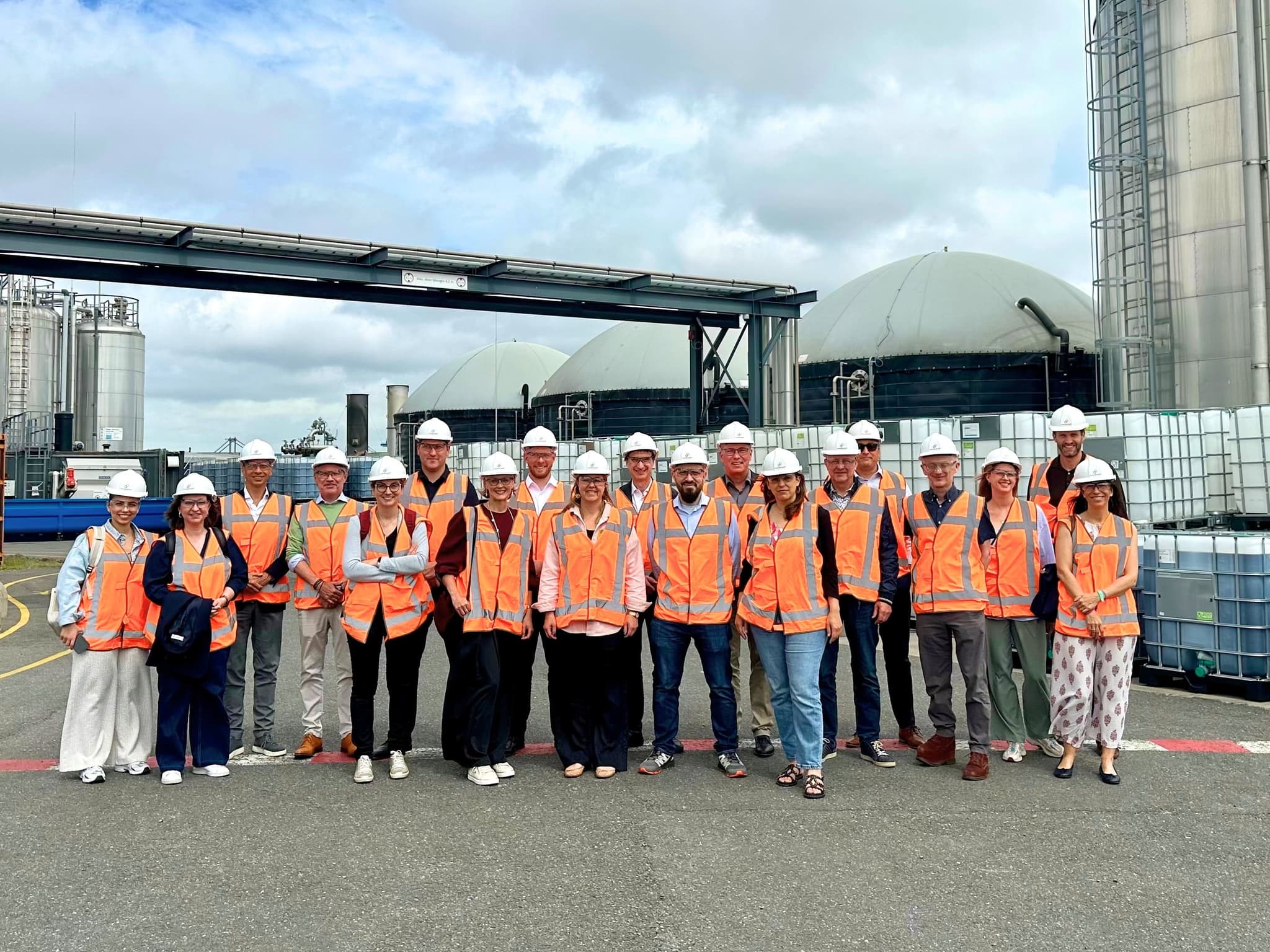
© PACE

Team IO+ selects and features the most important news stories on innovation and technology, carefully curated by our editors.
A new European flagship initiative is turning an unlikely industrial by-product — potato juice — into a building block for tomorrow's chemicals. The PACE project (Potato Juice to Fatty Acids for New Bio-based Value-Chains in Europe) officially launched this month.
At the heart of the project is a first-of-its-kind retrofitted biorefinery, built by adapting part of Royal Avebe's existing production facility in the Ter Apelkanaal, Netherlands. Using advanced fermentation and microbial chain elongation technologies, the facility will convert potato juice side-streams — currently an underutilized by-product of potato processing — into medium-chain fatty acids (MCFAs), a class of bio-based chemicals with broad applications across the chemical industry.
.png&w=2048&q=75)
The initiative directly addresses Europe's dependence on fossil fuels and palm oil-derived chemistry. Rather than building new infrastructure from scratch, PACE demonstrates how existing industrial assets can be upgraded to support a circular, locally grounded value chain.
Circular chemistry on an industrial scale
"PACE demonstrates how circular chemistry can become part of existing industrial systems at a meaningful scale," said Niels van Stralen, project coordinator. "By upgrading infrastructure that already exists and using locally available side-streams, we show that sustainable chemistry does not have to start from scratch."
The consortium bringing the project to life spans five European countries and ten organizations, including project coordinator CHAINCRAFT BV (Netherlands), agri-cooperative Royal Avebe (Netherlands), specialty chemicals firms Syensqo (France) and Symrise (Germany), as well as research and innovation partners from Belgium, Spain, and Greece.
In the coming months, the consortium will focus on establishing the biorefinery and optimizing MCFA production, while simultaneously validating bio-based MCFAs in targeted industrial applications and conducting sustainability and market assessments to pave the way for wider European replication.