
Retro tech is back: three icons are making a comeback
Why Millennials and Gen Z are flocking to Vinyl, Game Boys, and vintage cameras in a digital world.
Published on April 21, 2026

Team IO+ selects and features the most important news stories on innovation and technology, carefully curated by our editors.
In 2026, we’re seeing a striking shift in our technological landscape. While the industry continues to focus on artificial intelligence and limitless connectivity, a growing group of consumers is actually turning to the past. Millennials and Gen Z are driving a cultural renaissance of devices we had written off years ago. Here are the top 3.
1: Analog and digital music players
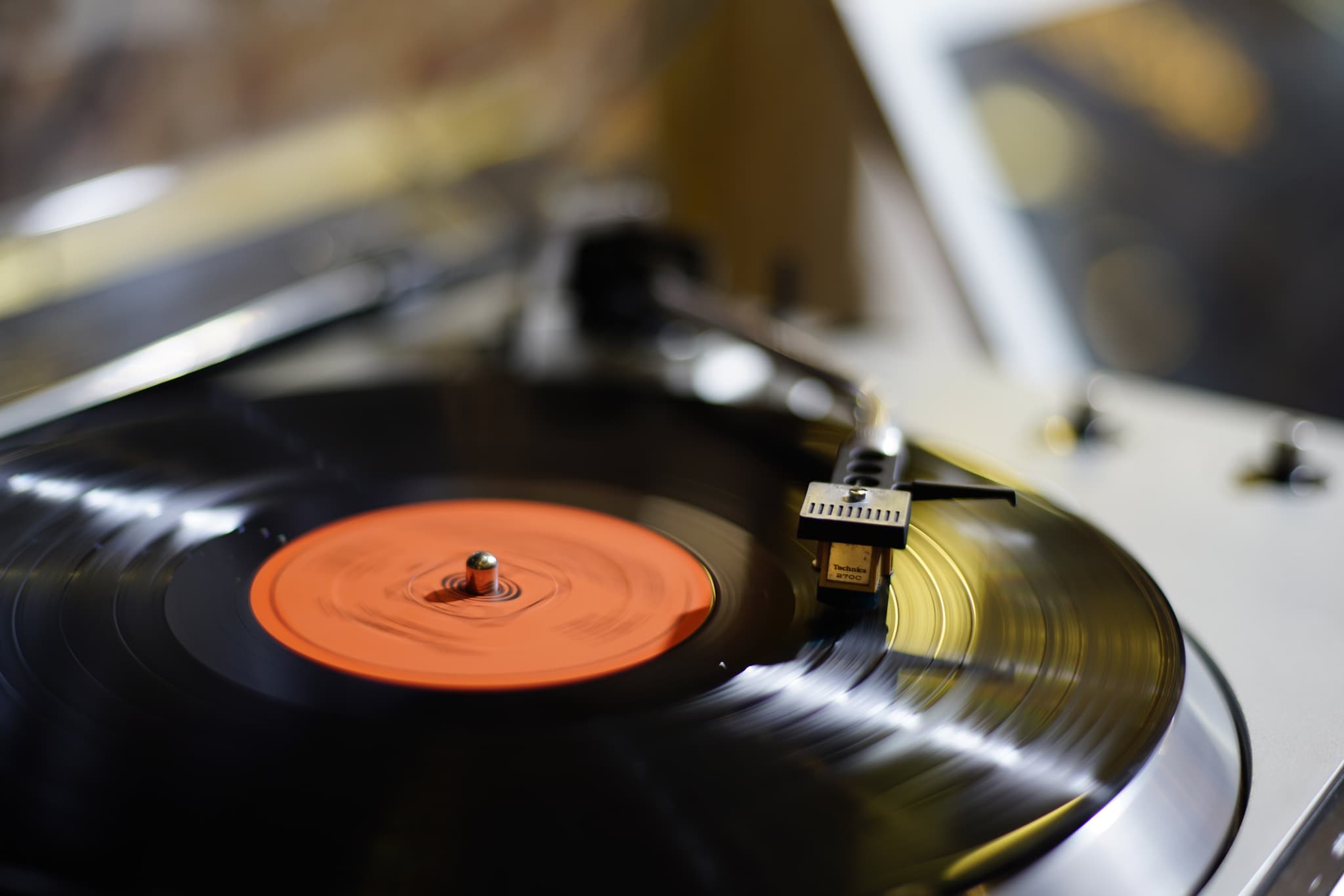
The current popularity of retro technology stems in part from a deep-seated need for tactile experiences. In a world where everything is digital and fleeting, younger generations long for objects they can actually hold in their hands. This phenomenon is clearly visible in the sales figures for analog media. In 2023, vinyl record sales reached an impressive 43.2 million. By comparison, fewer than a million records were sold in 2006. Companies specializing in restoring old equipment are seeing their revenue skyrocket. For example, the American company Retrospekt achieved annual revenue of $8 million in 2024.
In any case, we’re seeing a major comeback for analog and digital music players. The Walkman, the Discman, and the iPod Classic are once again sought-after items on the secondhand market. Buying a CD or an MP3 file provides a sense of lasting ownership that streaming lacks. Moreover, a standalone music player offers an uninterrupted listening experience. You aren’t disturbed by emails or text messages while listening to an album. The iPod Classic is specifically valued for its massive storage capacity and iconic interface. Physically spinning the click wheel offers a satisfaction that a touchscreen cannot provide. Analog cassette players are also gaining ground among Gen Z, who perceive the imperfect sound quality as “authentic.”
2: Handheld gaming: focus without distractions
The second category making a massive comeback is the handheld gaming console. Devices like the 1989 Nintendo Game Boy and the 1985 Game & Watch are wildly popular again. The strength of these consoles actually lies in their limitations. They offer a pure gaming experience without in-game purchases or constant updates. There are no social media notifications to disrupt concentration while playing. This desire for devices with a single specific purpose is a core part of the 2026 trend. Playing on an original Game Boy offers a form of mental peace that a smartphone cannot match.
3: The return of the point-and-shoot camera
The third category experiencing a resurgence is the compact digital camera from the early 2000s. Models such as the Sony Cybershot and the Nokia 3310 with camera are everywhere again. Young people are consciously choosing these devices because of their specific aesthetic. The photos have a distinctive look that modern smartphones try to mimic with filters but never quite capture. Using a separate camera also makes taking photos a conscious act again. You have to carry the device, turn it on, and understand the settings. In addition, instant cameras from Polaroid and Fujifilm offer an immediate result that you can physically give away or hang up. In an age where we have thousands of photos on our phones that we never look at again, a physical photo regains its value.
Sustainability and the demise of the status upgrade
The motivation behind this trend is not only nostalgic but also highly pragmatic. Research by the CNET Group in 2026 shows that 73 percent of consumers continue to use their current devices for as long as possible. The urge to buy the latest smartphone every year has largely disappeared. Functionality and sustainability are now more important than owning the latest innovations.
Furthermore, approximately 48 percent of people are considering purchasing secondhand electronics. This is also known as the “Death of the Flex”: the status that used to come with an expensive upgrade has disappeared. Consumers prefer proven technology that lasts for years. Old devices are known for their robustness and ease of repair. While modern phones are often glued shut, many retro devices can still be opened with a screwdriver. This shift toward secondhand and vintage is a direct reaction to the throwaway culture of recent decades.