
SeaSpark: seaweed glitter, free of microplastics
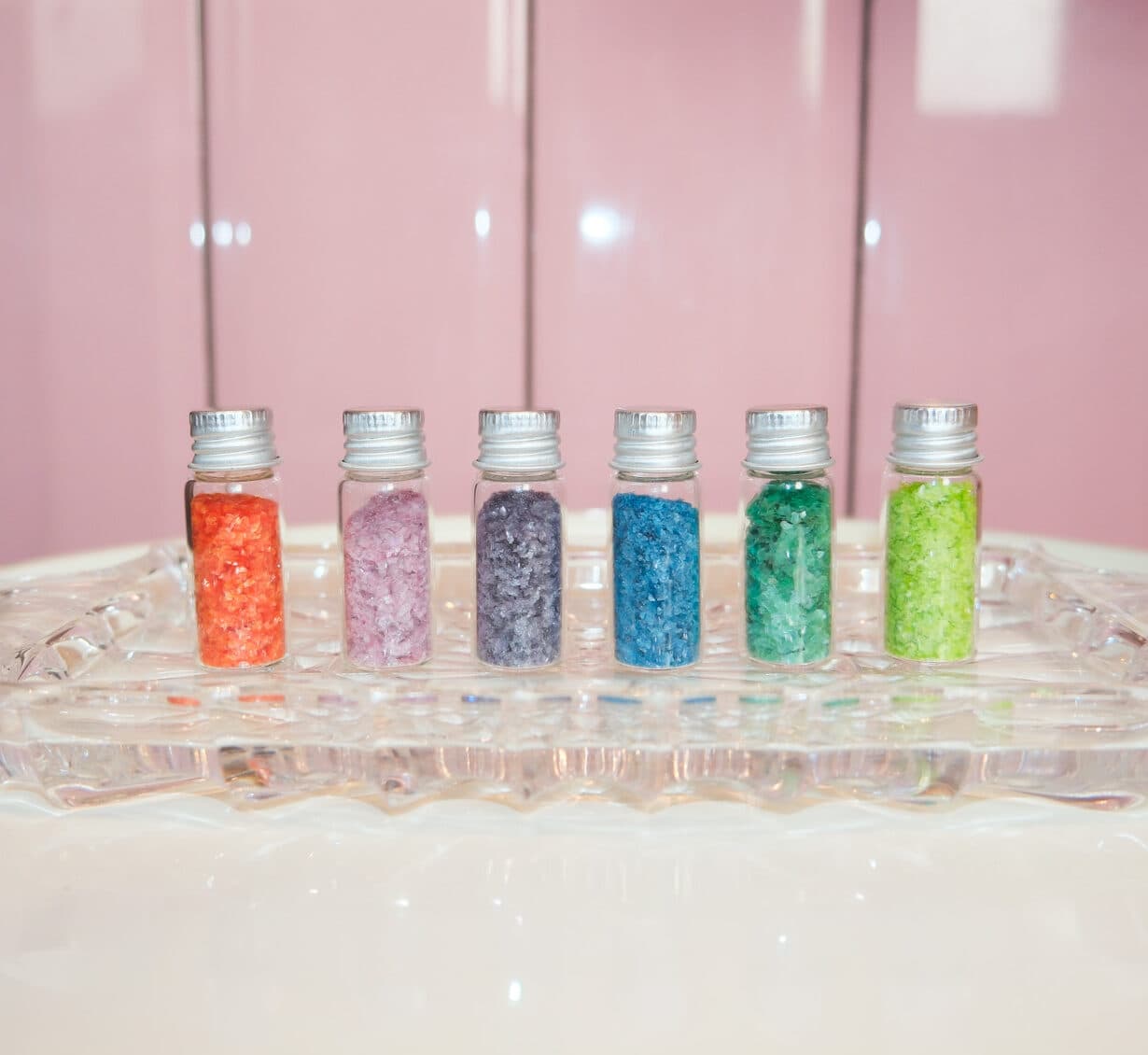
SeaSpark is launching the first 100% biodegradable glitter made from seaweed.
Published on October 22, 2026

Merien co-founded E52 in 2015 and envisioned AI in journalism, leading to Laio. He writes bold columns on hydrogen and mobility—often with a sharp edge.
On October 17, during Dutch Design Week in Eindhoven, SeaSpark launched the first 100% biodegradable glitter made from seaweed. This shouldn’t be all that remarkable, since the EU is phasing out microplastics in cosmetics. But the ban won’t take full effect until 2035. So thousands of products still contain microplastics. SeaSpark offers a solution: glitter that is fully biodegradable and non-toxic. The Dutch company, founded by Karlijn Besse and Xu Ben Zhang, aims to make the cosmetics, festival, and packaging industries more sustainable.
The problem: microplastics in glitter
A study conducted four years ago by the Plastic Soup Foundation found that 87% of cosmetic products from the ten most popular brands in Europe contain microplastics. These particles, often smaller than 5 mm, are intentionally added to give products such as shampoo, toothpaste, and glitter a better texture or shine. Microplastics do not break down and end up in water and soil, where they cause damage to ecosystems and may also harm human health. Professor of toxicology Marjorie van Duursen warns of inflammatory reactions and uptake by immune cells. The European Commission took action with Regulation EU 2023/2055, which bans the use of microplastics in products. Many applications are already banned, but the total ban will not take effect until 2035.
Eco-glitter: not always a sustainable alternative
Not all “eco-glitter” is a safe alternative. Many so-called sustainable options, such as cellulose-based glitter made from eucalyptus or mica, break down only under specific conditions, such as industrial composting. Research shows that cellulose glitter, which often serves as food for microorganisms, can double the number of invasive snails in water. Mica and cassava can still be harmful to aquatic plants such as duckweed. Furthermore, products are allowed to contain up to 0.01% microplastics and still be marketed as “microplastic-free.”
SeaSpark uses seaweed as the raw material for its glitter. The Dutch company has developed a product that is 100% biodegradable, non-toxic, and plastic-free. The team, consisting of sustainability experts and biodesigners, aims to demonstrate that glitter does not have to come at the expense of the environment. Seaweed grows quickly, requires no fresh water or artificial fertilizers, and absorbs CO₂ as it grows. Furthermore, the raw material is abundantly available in the North Sea, where the first seaweed farms are now operational.
The impact on the environment and the economy
Choosing seaweed as a raw material offers several advantages. First, it eliminates the persistence of microplastics in the environment. Second, it provides a sustainable solution for a sector that currently still relies on harmful materials. The European seaweed sector is growing, with an estimated potential of 5,000 to 10,000 km² in the North Sea for seaweed cultivation. In the long term, this could lead to an annual harvest of millions of metric tons of seaweed, which could significantly reduce dependence on fossil-based raw materials in various sectors.
From party accessory to systemic change
Let’s be honest: eco-friendly festival glitter isn’t going to single-handedly solve the plastic crisis. Still, SeaSpark’s innovation is much more than a fun party gadget. It serves as a tangible proof of concept: it demonstrates that complex, high-quality materials with specific properties—such as shine, flexibility, and color retention—can be manufactured entirely from marine biomass without causing environmental damage.
The seaweed sector still faces significant technological and logistical challenges in scaling up and reducing production costs. But initiatives like SeaSpark serve as a crucial stepping stone. The techniques currently being refined for glitter lay the scientific and industrial foundation for much larger applications, such as biodegradable coatings, packaging films, and textile finishes. What begins as a small detail on a festival-goer’s cheek could thus pave the way for a fundamental shift toward sustainability in the materials chain.