
Sustainable travel by RV: here's how (4 Steps)
Discover how smart fuel choices, driving style, and the right techniques can immediately make your RV trip more eco-friendly.
Published on July 18, 2026

Team IO+ selects and features the most important news stories on innovation and technology, carefully curated by our editors.
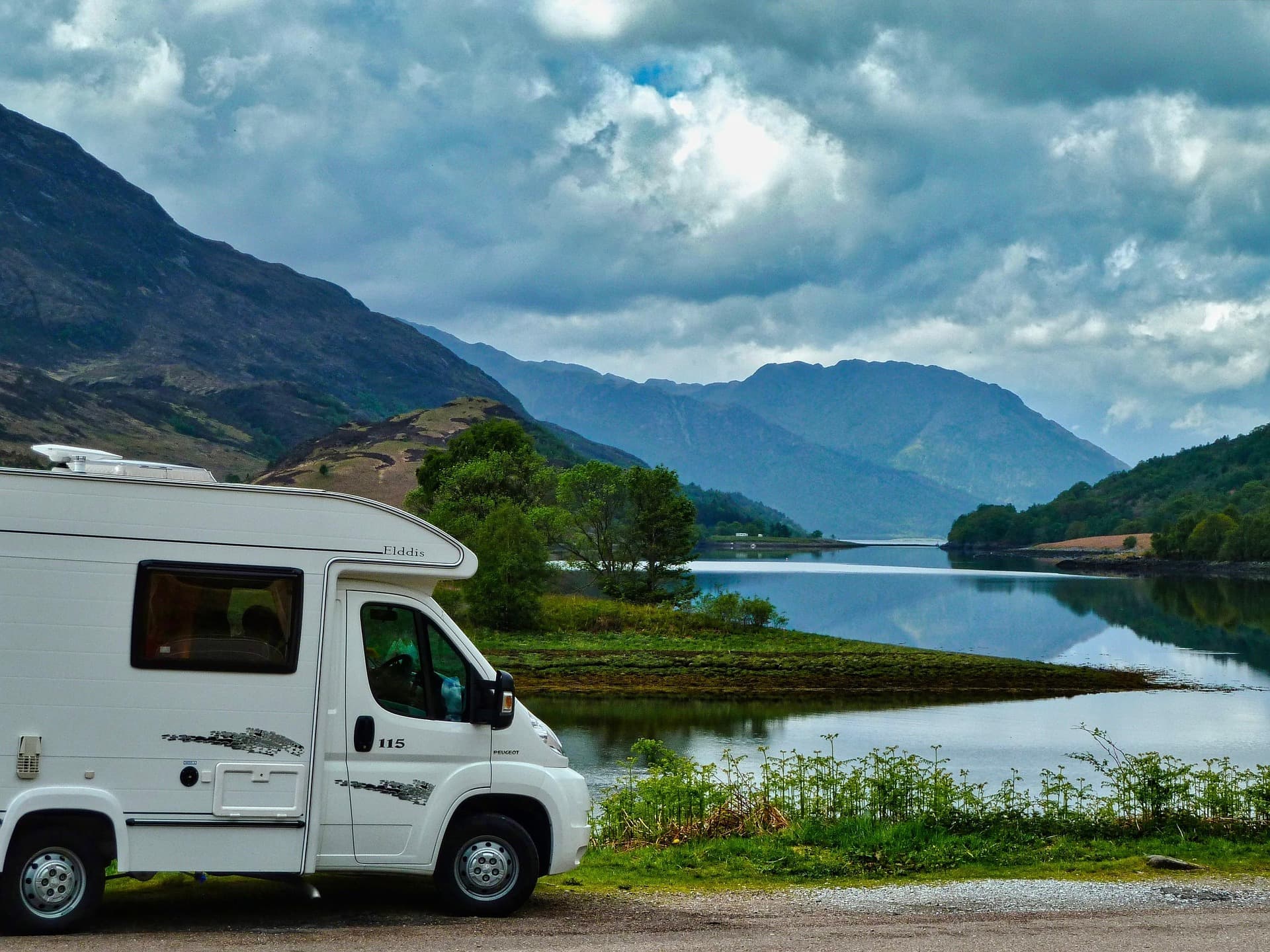
RV vacations are more popular than ever. The freedom they offer draws millions of Europeans onto the road every year. Yet this way of traveling has a downside. CO2 emissions from heavy diesel vehicles take a heavy toll on the environment. Fortunately, there’s a lot you can do yourself to reduce your carbon footprint 🔗︎.
Cleaner fuel: the rise of HVO100
Choosing the right fuel is the fastest way to reduce your emissions. Regular fossil diesel is still the standard at the pump 🔗︎. However, an environmentally friendly alternative is on the rise. This alternative is called Hydrotreated Vegetable Oil, abbreviated as HVO 🔗︎. This fuel is made from vegetable and animal waste streams 🔗︎. With the pure variant, HVO100, you can reduce CO2 emissions by up to 90 percent 🔗︎. The price of this renewable diesel is getting closer and closer to that of regular diesel 🔗︎.
.png&w=2048&q=75)
Availability in Europe is also growing rapidly. By May 2026, there were already more than 8,000 HVO100 fueling stations in Europe 🔗︎. Italy leads the way with 36 percent of the stations 🔗︎. Spain follows with 20 percent, and Sweden accounts for over 12 percent of the total 🔗︎. RV owners can usually refuel with this fuel without any problems. With handy apps like the HVO Finder or Hyvio, you can easily find a suitable fueling station while on the road.
The carbon footprint of new versus used
If you don’t own a camper yet, you’re facing an important decision: Should you buy a new or a used model? New campers meet the strict Euro 6d-TEMP emissions standard 🔗︎. These engines emit significantly less particulate matter and nitrogen oxides than older models 🔗︎. However, a new camper isn’t necessarily the most sustainable choice. That’s because the production of a new vehicle releases an extremely large amount of CO2 🔗︎. This process also consumes a lot of scarce raw materials 🔗︎. A used camper is therefore often more environmentally friendly 🔗︎.
Weight reduction and smart power management
The weight of your RV directly affects fuel consumption. Every kilo you leave at home saves energy. A smart way to reduce weight is to switch to a lithium battery 🔗︎. Traditional lead-acid batteries are extremely heavy and offer limited capacity 🔗︎. A modern lithium iron phosphate battery weighs up to 50 percent less 🔗︎. This weight reduction helps you stay within the legal weight limit. In addition, you can have solar panels installed on the roof 🔗︎. This allows you to generate your own clean electricity for your refrigerator and lighting. Unfortunately, there are no subsidies in the Netherlands for retrofitting solar panels or particulate filters on private RVs 🔗︎.
Driving style and tire pressure
Your own behavior behind the wheel largely determines fuel consumption. A smooth driving style immediately results in significant savings 🔗︎. Therefore, accelerate gently and shift to a higher gear in a timely manner 🔗︎. Avoiding rush hour is also a smart tactic 🔗︎. In traffic jams, you have to constantly stop and start again. This wastes a lot of fuel. By driving outside of peak hours, you can keep moving without stopping. This can quickly save up to 10 percent on fuel 🔗︎.
Also, pay close attention to your tire pressure 🔗︎. Underinflated tires create extra rolling resistance. This forces the engine to work harder and immediately increases fuel consumption. Therefore, check the pressure before every long trip. Also, make sure not to fill the water tank completely while driving 🔗︎. Water weighs one kilo per liter. Wait until you reach your destination to fill the tank.