
The silent revolution of the electric last mile
Cities are banning noisy diesel vans. Electric urban logistics solves this problem and reduces costs.
Published on July 18, 2026

Team IO+ selects and features the most important news stories on innovation and technology, carefully curated by our editors.
Cities are slowly but surely closing their doors to polluting diesel vans. Since January 2025, more and more Dutch municipalities have been introducing zero-emission zones. This is forcing transport companies to take a critical look at their fleets. As a result, the so-called “last mile”—the final kilometers of a package’s journey to the front door—is undergoing a rapid transformation. This is not merely a response to strict legislation; it is also a smart economic choice. In practice, electric vehicles have proven to be significantly cheaper to operate than traditional delivery vans. The switch to zero-emission transportation immediately improves air quality and quality of life in busy city centers. In this way, a logistical challenge is turning into an opportunity for savvy entrepreneurs.
The inevitable rise of environmental zones
The pressure on transport companies to become more sustainable didn’t come out of nowhere. Since January 1, 2025, zero-emission zones for trucks and delivery vans have been in effect in various Dutch municipalities. Arnhem joined this initiative on June 1, 2026 🔗. Starting in 2026, new traffic signs bearing the code C22e—a prohibition sign featuring a car with exhaust fumes—will warn drivers about these zones. Although transitional arrangements for specific vehicles will remain in effect until 2030, the direction is clear: the traditional diesel bus will lose access to the city. These strict rules are sorely needed. The “last mile” is responsible for as much as thirty percent of total CO2 emissions in the logistics sector; it also pollutes the local environment with particulate matter and smog. Cities want to quickly reduce these emissions to improve the quality of life for residents. As a result, the adoption of fully electric vehicles is rising rapidly. In the first quarter of 2026, the market share of electric cars in Europe had already reached well over twenty percent. This transition is proceeding particularly quickly in the Benelux and Scandinavia.
.png&w=2048&q=75)
Why electric driving is simply cheaper
Sustainability is a noble goal, but ultimately, business owners look at the numbers. The “last mile” is traditionally the most expensive link in the logistics chain. These final kilometers account for sixty to seventy percent of total delivery costs. It is precisely in this costly phase that electric vehicles offer significant financial advantages. The operating costs for electricity are sixty to seventy percent lower than those for diesel. In addition, electric motors have far fewer moving parts. This significantly reduces maintenance costs. Urban logistics is characterized by constant stopping and starting. For diesel engines, this driving pattern is extremely inefficient and prone to wear and tear. Electric vehicles, on the other hand, excel in this regard. Thanks to regenerative braking, they recover energy while decelerating. This increases energy efficiency in urban areas by 10 to 25 percent. As a result, the global market for electric delivery vehicles is growing spectacularly. Researchers estimate the market value in 2026 at over thirty-nine billion dollars. They expect an increase to nearly one hundred forty billion dollars by 2033.
Innovative vehicles are taking over the narrow streets
The transition to electric driving calls for new types of vehicles. Large, heavy delivery vans are often cumbersome in narrow historic city centers. They cause traffic jams and parking problems. Innovative manufacturers are filling this gap with compact solutions. A good example is the Qarry. This fully electric vehicle combines the maneuverability of a cargo bike with the cargo space of a small delivery van. Businesses in the hospitality industry, online grocery stores, and package delivery services use these types of vehicles to navigate efficiently through busy streets.
In addition to these compact vehicles, microhubs are sometimes used in combination. These are small transfer points on the outskirts of the city. Large trucks unload their cargo there. Cargo bikes and light electric vehicles then transport the packages to their final destinations. This method keeps heavy traffic out of residential areas. The CodeZERO project is currently testing these solutions in Utrecht and Antwerp.
The challenge of an overloaded power grid
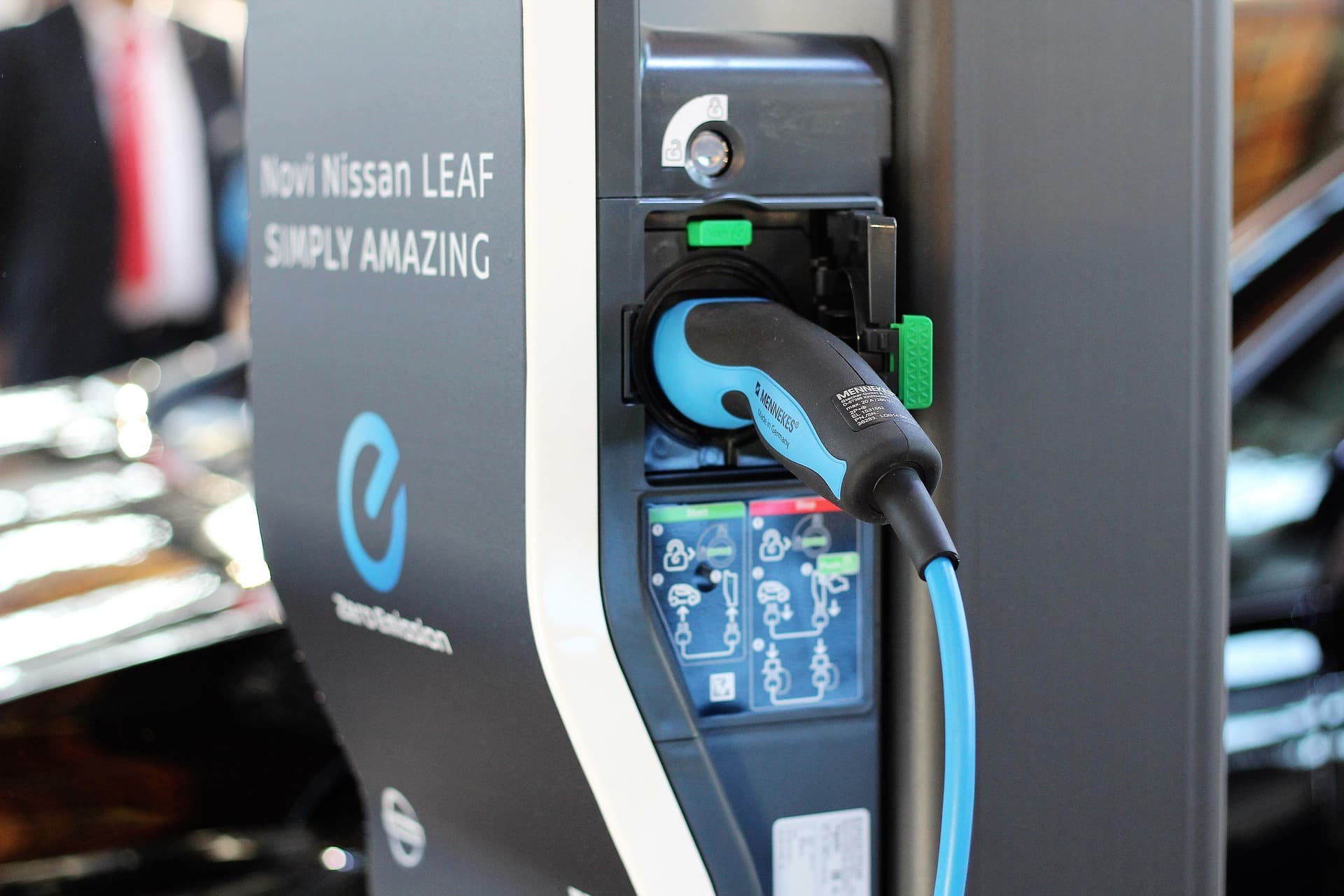
The transition to a fully electric fleet is not without obstacles. The biggest barrier right now is not the availability of vehicles. The bottleneck lies in the charging infrastructure and grid capacity. Many urban areas are struggling with grid congestion. The power grid simply wasn’t designed to handle the simultaneous charging of hundreds of delivery vehicles. As a result, transport companies cannot always install the desired charging stations at their depots. Smart solutions are needed to overcome this obstacle. Fleet managers are switching to smart charging strategies en masse. By charging vehicles only when electricity demand is low, they reduce the strain on the grid. In addition, electric vehicles could serve as flexible energy sources for the power grid in the future. They store electricity and feed it back into the grid during peak hours. The installation of local battery storage at logistics depots also offers a solution. This allows companies to fast-charge without needing a more robust grid connection. These technological innovations ultimately make the scaling up of zero-emission urban logistics possible.
The future of the livable city
The shift toward zero-emission urban logistics is now irreversible. Although the transition requires investment, it does not lead to higher consumer prices. Logistics service providers absorb the costs by streamlining their processes. They use artificial intelligence for route optimization and consolidate shipments in microhubs. This increases delivery speed and reduces operational costs. The ultimate winner is the city resident. Fewer roaring diesel engines mean less noise pollution and cleaner air. This directly improves the quality of life in densely populated areas. Long-term success, however, requires close collaboration between governments and the business community. Municipalities must ensure clear regulations and sufficient charging space in public areas. Companies must continue to innovate with clean technologies. In this way, the “last mile” transforms from a polluting cost center into an efficient showcase for sustainability. The city of the future will not only be quieter and cleaner, but also more economically vibrant.