
These jobs have disappeared. Remember them?
Many jobs have already disappeared. One day, modern professions will meet the same fate.
Published on November 7, 2026

Team IO+ selects and features the most important news stories on innovation and technology, carefully curated by our editors.
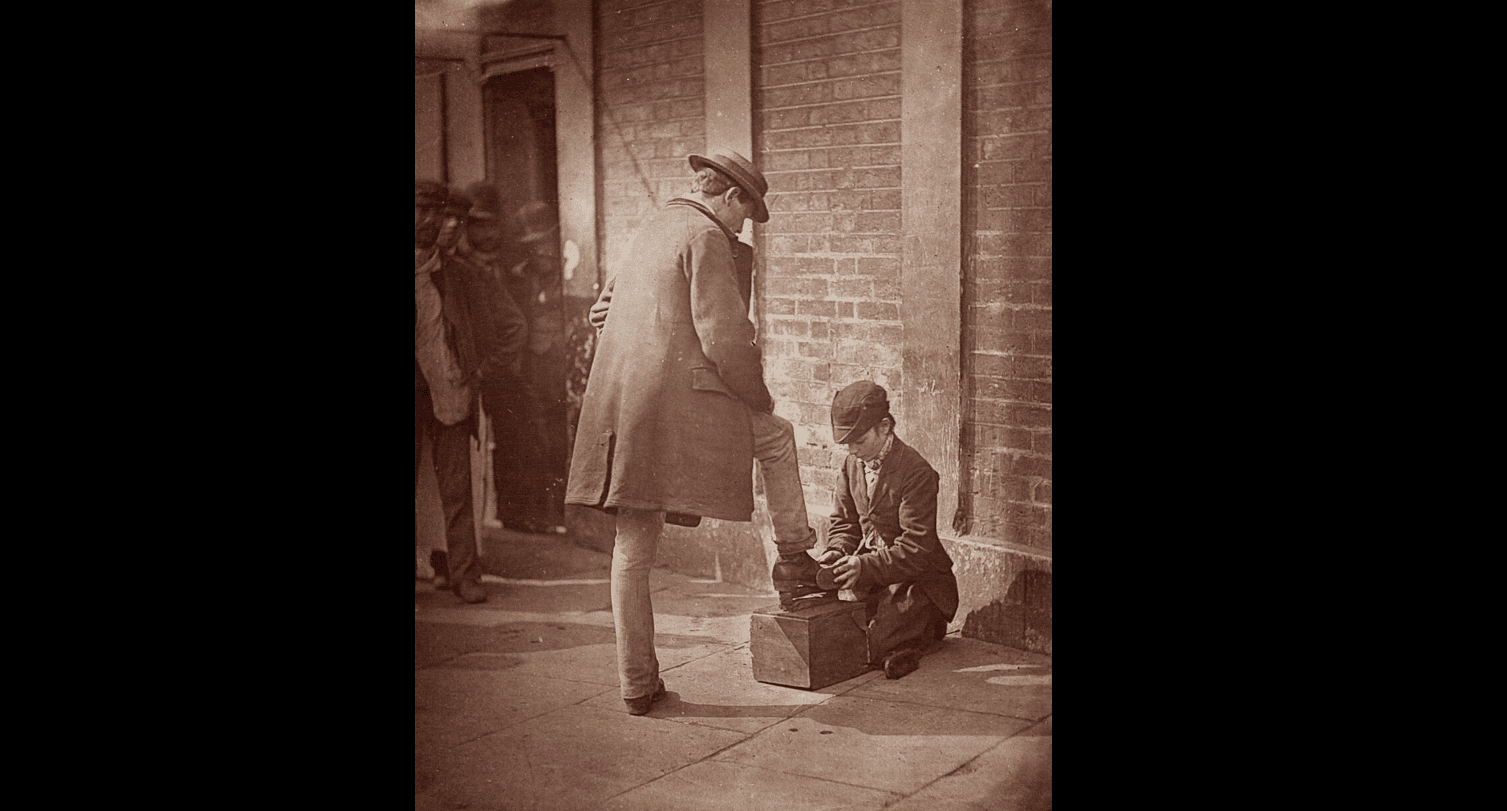
The milkman. The shoe shiner. The human alarm clock. Many professions have now become extinct. Let’s try to predict which modern jobs will face the same fate in a few decades.
The world is constantly changing. New needs arise, new technologies emerge, and with them, new professions. What was once indispensable can suddenly become an outdated trade just a few generations later.
Take the milkman, for example. With the advent of modern supermarkets and preservation methods, the profession slowly disappeared from the streets. I remember well how my grandmother used to talk about World War II. Milk was incredibly expensive in her day. Her mother, who was normally a well-behaved and respectable woman but was in a financial bind, walked up to the milkman one day, scooped a small container of milk from his cart, and quickly walked away with it—without paying.
I also love seeing old professions pop up in movies and music videos. I could watch the music video for Bruno Mars’s Uptown Funk on repeat forever. Somewhere on a street corner, Bruno has his black-patent shoes polished by a shoeshine boy.
By the way, have you ever heard of human alarm clocks? It might be hard for us to imagine, but two hundred years ago, the alarm clock as we know it today didn’t exist. Yet people still had to get out of bed on time. That’s where human alarm clocks came in: armed with a long stick, they tapped on their customers’ windows until they woke up.
Threatened with extinction
I’ll be in Paris this weekend. Chances are I’ll take a taxi—without expecting for even a moment that it will drive itself. No, for now, there’s still a human behind the wheel.
But for how much longer? Self-driving cars are on the rise, and autonomous trucks are already driving around some industrial parks. The technology is developing rapidly and promises to eliminate more and more human error from traffic. I can easily imagine my grandson asking in fifty years: “Grandma, is it really true that people used to drive cars?” To which I’ll reply: “Yes, it’s really true. Those dangerous people with their slow reaction times were indeed behind the wheel.”
There are other professions that, sooner or later, are threatened with extinction. Cashiers are increasingly being replaced by self-checkout lanes. Surgeons are getting increasingly advanced robots as assistants, which in the long run might even take over a large part of their work. And journalists like me? One day, we’ll have to hand over the keyboard to robot writers: equipped with a sharp pen and a built-in moral compass to capture the right nuances.
New jobs will also emerge. After all, who will maintain the robot taxis? And who will check whether the moral compass of the robot writers is still properly calibrated? New technology demands new human expertise. Every job that disappears creates space for another somewhere else.
But what if one day machines become superior to humans in every respect? Stronger, smarter, more rational, and even more emotionally intelligent? Then we’ll truly be redundant in the labor market. We’ll get our hair cut by a robot barber, flown around by an autopilot, and judged by an AI judge.
Human Stubbornness
Who knows—maybe in twenty years you’ll still be reading one of my columns here on IO+. By then, AI colleagues will be able to write much better stories, but don’t underestimate human stubbornness!